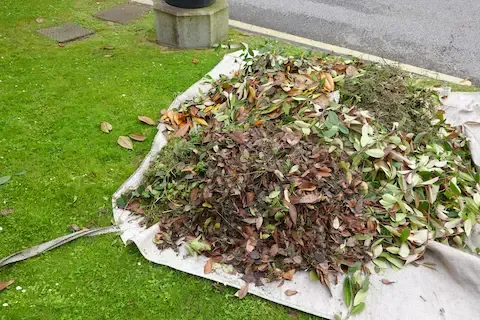
Branch and Limb Pickup Across Cedar Falls Iowa Yards
After a windstorm rolls through Black Hawk County, yards across Cedar Falls end up looking like a lumber yard had an accident. Branches come down from cottonwoods along the river corridors, limbs snap off old silver maples in established neighborhoods, and smaller twigs pile up in every corner of the lawn. Getting that material off the ground and to the curb is not complicated work, but it is physical, time-consuming, and often dangerous when the pieces are larger than they look from a second-story window. Understanding how branch and limb pickup actually works in Cedar Falls helps you make smarter decisions about what to tackle yourself and when to bring in a crew.
What Cedar Falls Yard Waste Collection Requires From You
The City of Cedar Falls runs a yard waste collection program that picks up bundled brush from the curb on a schedule that runs through the growing season. The program works well, but it has specific requirements that trip people up every year. Limbs need to be cut to a manageable length, typically no longer than four feet. Bundles need to be tied securely so they stay together during pickup. Loose debris piled at the curb without bundling may be left behind. Knowing this matters because it shapes how you approach the initial gathering work. The goal is not just getting branches off the lawn, it is getting them into a form the city will actually take.
For smaller twigs and leafy brush, the requirements shift. Loose leaf material and small debris can often go into yard waste bags or city-provided containers. The distinction between what counts as brush versus bagged material determines the extra steps needed before collection day. If you are clearing after a significant storm, you may be dealing with a mix of both, which means sorting as you go rather than just hauling everything to one pile.
The Size Problem That Stops Most Homeowners
The branches that fall after a major storm are rarely the easy kind. Cedar Falls sits in a region where mature oaks, elms, silver maples, and cottonwoods grow to significant size, and when those trees drop limbs, the limbs are heavy. A single branch from a mature silver maple can weigh more than the average homeowner expects, and moving it across a yard by hand is the kind of task that causes back injuries. Dragging a large limb across turf also does real damage to the lawn surface, especially when the ground is soft after rain.
A crew handling Debris Cleanup brings the tools that change this equation. Loppers for trimming side branches, a saw for cutting the main limb into sections, and enough hands to move sections without dragging them across the grass all make the difference between a job that takes two hours and one that takes all weekend. The cutting step is often what homeowners underestimate. A large limb does not move easily as one piece, but once it is sectioned it becomes manageable.
Storm Aftermath Versus Routine Seasonal Cleanup
Cedar Falls homeowners deal with two distinct types of branch accumulation. The first is storm aftermath, which arrives suddenly after a severe thunderstorm or ice event. Storm debris tends to be larger, more scattered, and sometimes tangled with other material including fencing, landscaping borders, or utility lines running across the property. This type of cleanup has urgency because the debris is a mowing hazard and often sits on plants or structures.
The second type is routine seasonal accumulation. This happens through the fall and into early spring as trees drop smaller branches naturally. The material is lighter and more uniform, but it still needs to be gathered and moved before mowing season begins in earnest. Mowing over hidden branches causes blade damage, throws debris across the yard at speed, and creates uneven surfaces over time. Catching this cleanup before the first real mowing run protects your equipment and your lawn.
Read our yard debris cleanup overview for a broader look at how seasonal debris removal fits into a complete Cedar Falls lawn care plan through the year.
What Gets Left Behind When Branches Stay Too Long
Branches that sit on the lawn through multiple rain events begin to cause problems that go beyond inconvenience. Moisture trapped between the wood and the turf creates conditions where fungal issues develop. The grass underneath dies out from lack of sunlight and air circulation. If a large limb sits long enough, you can end up with a dead patch that takes a full season to recover. For lawns that homeowners are actively trying to maintain or improve, that kind of setback is worth avoiding entirely by simply moving the material sooner.
In Cedar Falls neighborhoods where lots are smaller and lawns are visible from the street, debris sitting for weeks also creates a perception issue. HOA guidelines in some areas of town specifically address yard maintenance standards after storm events, and neighbors notice when a property looks like cleanup was never a priority. None of this is a reason for panic, but it is a practical argument for moving quickly after material comes down.
Choosing Where to Stage Material Before Pickup
One decision that affects the efficiency of a branch pickup job is where you stage the material as it comes off the yard. Hauling branches to a central pile in the middle of the lawn before sorting them adds extra steps. A better approach is moving material directly toward the curb in sections, keeping the path across the lawn as short as possible. For larger properties in outer Cedar Falls neighborhoods like the areas developing near University Avenue or along the edge of the greenbelt corridors, the distance from back yard to curbside can be significant. Planning the route before you start carrying saves a surprising amount of effort.
When a crew handles the job, staging decisions happen as part of the work. Experienced crews read the yard and determine the most efficient path based on what is in the way, where the gate is, and how the city pickup area needs to look when the job is done. That kind of real-time decision-making is harder to replicate when you are doing it alone on a Saturday morning without a clear plan.
Protecting the Lawn Surface During Removal
The lawn itself can take damage during a branch removal job if the work is done carelessly. Heavy limbs dragged across soft turf tear grass out by the roots and create ruts in the soil surface. The wetter the ground, the worse this damage gets. If you are working after a storm that brought significant rain, waiting a day for the ground to firm up before doing heavy dragging is worth considering. Alternatively, cutting limbs into short sections that can be carried rather than dragged eliminates this problem entirely, which is another argument for having proper cutting equipment on site before you start.
Cedar Falls soil conditions vary across the city. Properties near the Cedar River tend to have heavier clay content that holds moisture longer and stays soft after rain events. Properties in higher elevation neighborhoods drain faster. Knowing your soil type helps you judge when the ground is ready for heavy equipment or repeated foot traffic without causing compaction and surface damage that outlast the debris cleanup itself.
