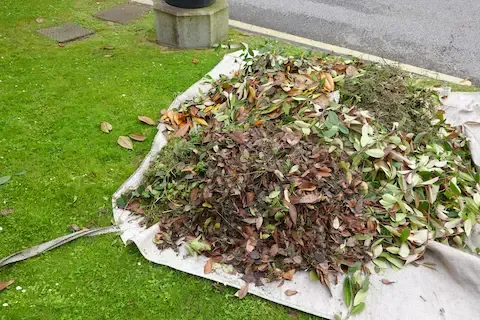
Why Cedar Falls Crews Stack Yard Debris on Curb Strips
If you live in Cedar Falls and hire a lawn care crew, you may notice they pile trimmed branches, leaves, and yard waste at the edge of your property along the curb strip rather than hauling it away themselves. This is not an oversight. It reflects how the city actually handles residential yard waste collection and why experienced local crews plan their work around that system. Understanding the reasoning helps you set realistic expectations and avoid confusion on pickup day.
How Cedar Falls Handles Residential Yard Waste
Cedar Falls operates a scheduled curbside collection program for yard debris. The city sends collection crews through residential neighborhoods on assigned days, picking up organic yard waste that residents and lawn care contractors have placed at the curb. This program runs seasonally, typically covering the periods when leaf fall, spring cleanup, and storm debris are most common. The routes follow a set schedule by neighborhood, which means your collection day depends on where you live in the city rather than when you call in a request.
Because this system exists and is funded through municipal services, most lawn care contractors working in Cedar Falls are set up to take advantage of it. Piling debris on the curb strip is the standard practice that lets the city machinery do its job efficiently without crews needing to load debris into trucks and haul it to a disposal site themselves.
What the Curb Strip Is and Why It Matters
The curb strip, sometimes called the parkway or boulevard, is the narrow stretch of grass between the sidewalk and the street. In Cedar Falls, this is the designated placement zone for yard debris awaiting city pickup. Placing debris here rather than on your lawn or driveway keeps it accessible to collection equipment and out of the way of foot traffic and vehicle access.
City collection vehicles are designed to work from the street side, which means debris needs to be close to the curb and clear of obstacles like parked cars, utility boxes, or fire hydrants. When crews pile material neatly along the curb strip, they are setting it up for efficient collection. Disorganized piles or materials placed too far from the curb can be skipped if the collection equipment cannot safely reach them.
What Lawn Crews Typically Stack at the Curb
The types of debris that end up on Cedar Falls curb strips after a lawn care visit vary by season. In spring, you will see dead plant material from winter, leaf accumulation, and early pruning cuts. In fall, the volume increases significantly as trees shed their leaves and homeowners prepare their yards for winter. After storms, branches and broken limbs may be added to the mix.
Crews working in neighborhoods near Overman Park or along residential streets in the south Cedar Falls area tend to see heavy leaf volume in autumn given the density of mature trees in those zones. Piling that material at the curb rather than loading it into a truck saves time, keeps costs lower for homeowners, and ensures the debris enters the municipal waste stream rather than ending up in a landfill.
Most curbside programs accept leaves, grass clippings, small branches, and garden trimmings. Large branches above a certain diameter or length may need to be cut down to meet program requirements. Experienced local crews know these guidelines and will usually prep debris to stay within acceptable limits.
Timing the Cleanup Around Collection Days
One practical consideration for homeowners is scheduling. If your neighborhood's collection day is Wednesday, having your yard cleaned up on Tuesday afternoon means the debris sits at the curb for less than 24 hours before pickup. If the cleanup happens on Thursday, you may be looking at nearly a week of debris visible on the curb strip before the next collection pass.
This timing matters for curb appeal, neighbor relations, and in some cases HOA or city appearance guidelines. When you book Debris Cleanup with a local crew, it is worth asking whether they can align the visit with your neighborhood's pickup schedule. Crews familiar with Cedar Falls routes often factor this in automatically.
You can confirm your specific collection day through the City of Cedar Falls public works or utilities department. They maintain route maps and seasonal schedule updates that tell you exactly when crews will be in your area.
Why This Approach Makes Sense for Homeowners
Some homeowners wonder why lawn crews do not simply haul debris away. The short answer is cost and environmental practicality. Hauling debris requires a truck, disposal fees, and additional labor time. When the city is already running a collection program, using that service keeps the price of lawn maintenance lower and ensures organic material is composted or processed through a municipal facility rather than being mixed into general waste.
In a city the size of Cedar Falls, where residential lots along corridors like West Lone Tree Road or University Avenue generate significant seasonal volume, the curbside system exists precisely because individual hauling at scale would be inefficient. Crews stacking at the curb are working within the infrastructure the city built to handle exactly this kind of material.
For a broader look at how local companies manage different types of yard waste throughout the year, see our yard debris cleanup overview, which covers what to expect from a full-service cleanup in the Cedar Falls area.
What to Do If Debris Is Missed on Collection Day
Occasionally a pile gets skipped. This can happen if the material was placed after the collection truck already passed, if the pile was too close to a parked vehicle, or if the debris type did not meet program specs. If your material is still at the curb a day after your scheduled collection, contact the City of Cedar Falls to report it. In most cases, they will add it to the next available route pass.
Your lawn crew is not responsible for city pickup timing, but a good local company will advise you on how to avoid common issues so your debris does not sit longer than necessary.
The Takeaway for Cedar Falls Homeowners
Curb strip stacking is not a shortcut. It is the standard operating method for yard debris disposal in Cedar Falls because it aligns with how the city has structured its residential collection program. When a crew leaves neat piles along your curb, they are setting you up for a smooth pickup rather than leaving the job half done. Understanding that system helps you plan better, communicate more clearly with your service provider, and get the most out of both your lawn care visits and the city services your tax dollars fund.
