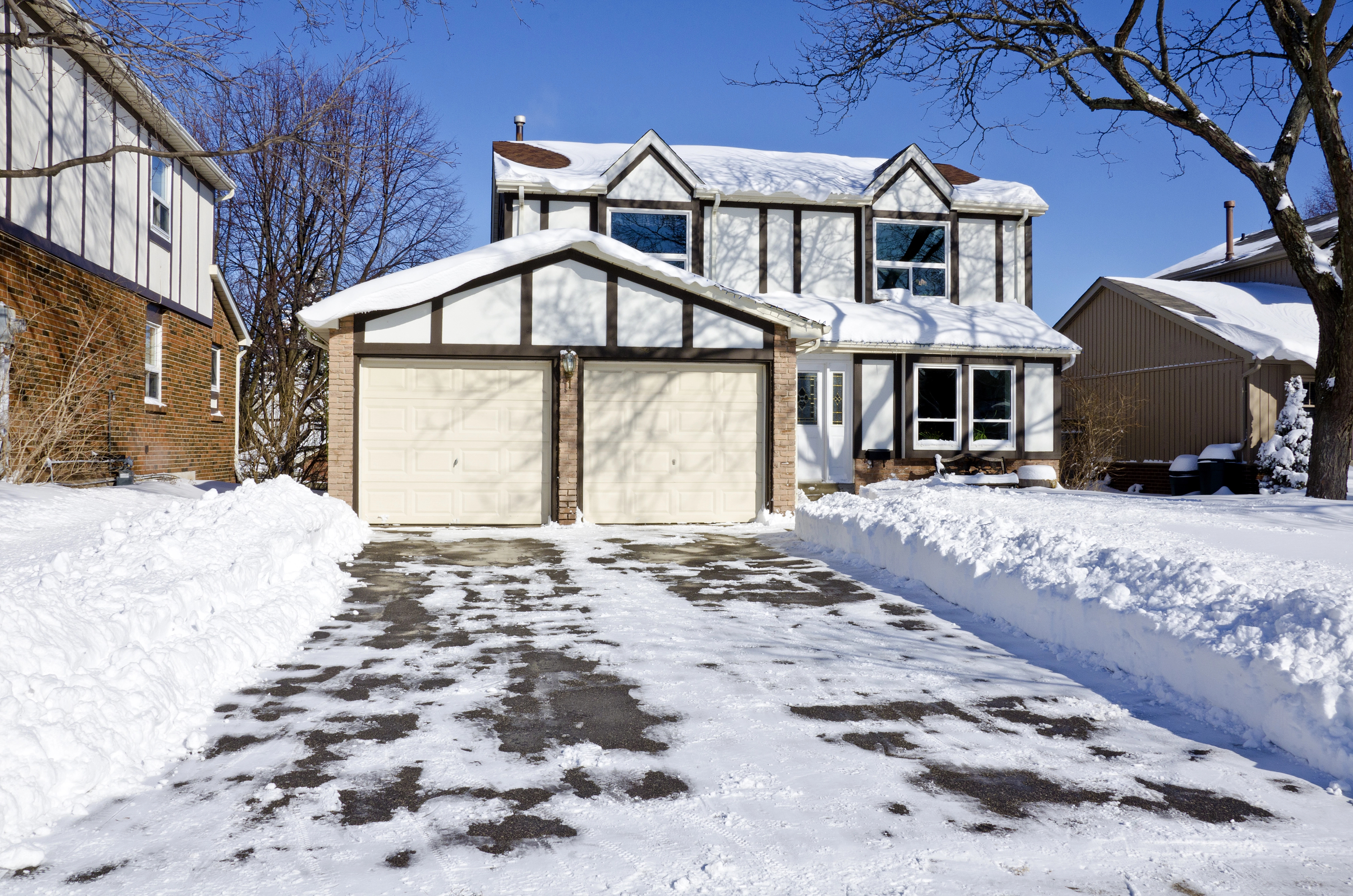
Snow Removal Across Cedar Falls Iowa for Cold Winters
Cedar Falls winters do not ease in gradually. When a November cold front drops overnight temperatures into the teens and a December storm drops six inches before dawn, the difference between a cleared driveway and a packed-ice hazard can mean a missed workday, a fall injury, or an ambulance call. Black Hawk County sits squarely in a zone where lake-effect moisture from the northwest and Gulf air from the south collide, producing some of the most unpredictable snow accumulations in Iowa. Knowing what professional snow removal in Cedar Falls actually involves, and why timing and trigger thresholds matter more than most homeowners realize, puts you in a better position to protect your property through a full Iowa winter season.
What Cedar Falls Winters Actually Look Like
The Cedar Falls area averages roughly 32 to 36 inches of snowfall annually, though individual seasons vary dramatically. Some years bring a series of two-inch dustings that pack and freeze between events. Other years deliver back-to-back storms, with the second arriving before crews finish the first. January is historically the heaviest month, but late-season storms in February and March are common and often wetter and heavier than early winter events. That wet late-season snow is particularly punishing on driveways because its density makes it far heavier per shovelful and more likely to bond to pavement surfaces as temperatures fluctuate above and below freezing.
Ice formation is a separate challenge from snowfall. After a major event clears, temperatures in Cedar Falls regularly drop overnight, refreezing any melt from afternoon sun or road salt migration. This creates a thin, invisible ice layer on walkways and entrances that is responsible for a disproportionate share of slip-and-fall injuries each season. Effective snow removal service accounts for this cycle rather than treating each event as an isolated incident.
Residential Properties and Why Driveways Need a System
A single-car driveway in a Cedar Falls neighborhood might seem manageable after a light snow, but accumulating events throughout the season build compaction layers that are difficult to remove once they bond to the surface. Professional service typically operates on a trigger threshold, meaning crews mobilize once accumulation reaches a set depth, often two or three inches. This threshold approach prevents the layering problem by removing snow before it packs under vehicle weight or freezes overnight.
Longer driveways, those common in older Cedar Falls neighborhoods near Overman Park or along residential streets south of University Avenue, require more time and equipment to clear safely. Crews need a push direction that avoids blocking storm drains, burying garden borders, or creating windrows that block mailbox access. A good service provider walks the property before the first event to document exactly where snow can and cannot be placed, so no surprises emerge mid-storm at 5:00 in the morning.
If you are evaluating your current setup or looking for your first professional arrangement, Snow Removal service designed around Cedar Falls conditions will outline trigger thresholds, push directions, and what equipment is used before you commit to anything seasonal.
Sidewalk and Public Path Compliance in Cedar Falls
Cedar Falls city ordinance requires property owners to clear adjacent public sidewalks within a set window after snowfall ends. Failure to comply can result in fines, and if the city clears it on your behalf, the cost is billed back to the property owner at a rate that is considerably higher than hiring a service proactively. For properties on collector streets or near school walking routes in areas like College Hill or the Washington and North neighborhoods, compliance pressure is particularly consistent because those paths see heavier pedestrian use.
Many residential snow removal contracts include sidewalk clearing as part of the standard scope, but it is worth confirming this explicitly when reviewing any agreement. Ask whether the sidewalk is cleared in the same pass as the driveway or scheduled separately, and whether additional ice treatment is applied to sidewalk surfaces after clearing. A cleared sidewalk that refreezes at dusk is still a liability exposure.
Commercial and Rental Property Considerations
Small commercial properties in Cedar Falls, whether retail along University Avenue, office buildings near downtown, or multi-unit rental housing, have a different risk profile than single-family homes. Slip-and-fall liability on commercial entrances is a recognized legal exposure, and Iowa courts do not treat the natural accumulation rule as a universal shield for commercial property owners the way some other states have historically applied it. Parking lot clearing, entrance mat transitions, and salting protocols all factor into a defensible winter maintenance approach for business owners.
Multi-unit rental properties present a unique challenge because tenants may use multiple exterior access points at different hours. A storm that arrives at 2:00 a.m. on a Tuesday will have tenants heading to work before daylight, long before a once-per-day clearing would occur. Service agreements for rental properties should specify response windows, not just trigger thresholds, so that clearing happens within a defined number of hours after accumulation ends rather than at crew convenience.
Equipment and Why It Matters for Your Pavement
Not all snow removal equipment is equal, and the wrong tool on a particular surface can cause damage that persists through spring and into lawn recovery season. Skid steers and heavy loader attachments are efficient for large commercial lots but can catch pavement edges, crack decorative concrete borders, or damage asphalt that has already developed surface fatigue. Residential driveways in Cedar Falls, many of which were poured decades ago, benefit from lighter truck-mounted plows or two-stage snow blowers that move material without dragging metal across the surface aggressively.
Driveway markers placed before the first freeze help crews identify surface edges when snow covers landscaping boundaries. This is particularly important for properties with curved driveways, flush-set edging stones, or low garden walls along the drive perimeter. Asking your service provider whether they install markers as part of seasonal setup, or whether you need to handle that yourself before late October, is a straightforward step that prevents costly damage mid-season.
De-Icing Products and Environmental Awareness Near Cedar Falls
Rock salt, calcium chloride, and magnesium chloride are the most common de-icing products used in residential and commercial snow management. Each has trade-offs in terms of effective temperature range, concrete corrosion potential, and impact on nearby turf and landscaping. Rock salt is the least expensive but least effective below 15 degrees Fahrenheit, and it is hard on concrete that has any porosity or existing cracks. Calcium chloride works well in colder temperatures but costs more and can damage plant material along driveway edges if applied heavily over multiple events.
Cedar Falls sits adjacent to the Cedar River and a network of drainage tributaries that feed eventually into the Iowa River watershed. Runoff from heavy salt applications in neighborhoods near the greenbelt areas or lower-lying residential zones along the river can contribute to elevated chloride levels in local water bodies over a full season. Responsible service providers calibrate their application rates rather than broadcasting product at maximum rates as a standard practice. Ask whether liquid anti-icing pre-treatment is part of the service approach, as it often reduces the total product volume needed compared to post-storm dry application alone.
Seasonal Contracts Versus Per-Event Pricing
Cedar Falls homeowners and property managers typically encounter two pricing structures: a flat seasonal rate that covers all events regardless of accumulation frequency, or a per-event rate charged each time service is performed above the trigger threshold. Seasonal contracts favor the customer in heavy-snow years and favor the provider in light years. Per-event pricing is more transparent but exposes you to a higher total cost in a year like 2018 to 2019, when the Cedar Falls area saw well above average accumulation in a compressed window from December through February.
When comparing proposals, look at the trigger threshold, the service scope per event, and what happens in a storm that delivers accumulation in multiple waves across a 24-hour period. Some providers treat a multi-wave event as a single service call if it is continuous; others trigger a second charge once additional accumulation reaches the threshold again. Neither structure is inherently unfair, but understanding it before signing prevents disputes at the end of a heavy January.
Preparing Your Property Before the Season Starts
The window between late October and mid-November in Cedar Falls is when preparation makes the most difference. Confirm your snow removal arrangement before the first forecast appears, not after. Install driveway markers before the ground freezes. Check that outdoor faucets and hose bibs are shut off and that any irrigation backflow preventers are cleared, because buried irrigation heads near driveway edges can be damaged by plow blades if the installer does not know where they are.
Fall lawn work also affects winter outcomes. If you have not read the fall aeration window guide, it is worth reviewing before the ground hardens, because soil compaction and turf health going into winter affect how well lawns recover from the salt and equipment stress that comes with a full Iowa snow season. Properties with healthier turf margins along driveways and walks tend to show less collateral damage once snow cover melts in March.
What to Look for in a Local Snow Removal Provider
A reliable snow removal provider for Cedar Falls conditions should be able to answer a short list of specific questions without hesitation. What is your trigger threshold? What equipment do you use on residential driveways? Do you pre-treat before major storm events? What is your response window after accumulation ends? Do you carry liability insurance and are subcontractors covered under it? How do you handle a storm that arrives in multiple bands over 18 hours?
Local providers with established routes in Cedar Falls neighborhoods understand the city ordinance windows, the peculiarities of older pavement in historic residential areas, and the logistical pressure that comes from Black Hawk County storm events that can hit U.S. 20 and local streets simultaneously. That local knowledge shortens response time and reduces the likelihood of service gaps during the events that matter most.
Staying Safe and Accessible All Winter
The goal of professional snow removal is not just cleared pavement. It is reliable access throughout a winter that does not follow a predictable script. Cedar Falls winters can deliver three quiet weeks followed by four consecutive storm events. A system that functions well only when conditions are average fails exactly when it is most needed. Building a relationship with a service provider who understands your property, knows your priorities, and is equipped to respond in the window that matters is the practical foundation for getting through an Iowa winter without incident.
