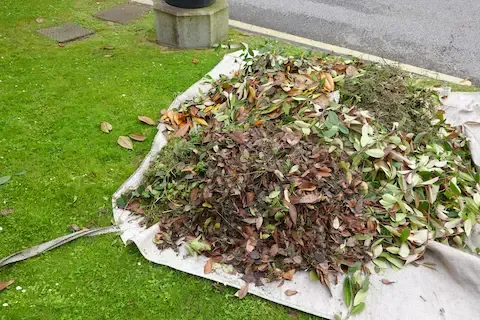
Cedar Falls Yard Debris Cleanup After Long Rainy Weeks
Extended rainy stretches do more than keep you indoors. Across Cedar Falls, heavy rainfall washes leaves, sticks, bark fragments, and sediment across lawns in ways that dry weather never does. Water moves debris from flower beds into turf, carries sticks down slopes, and pins wet leaves flat against grass where they smother the blades beneath. By the time the sun returns, your yard can look like a completely different place than the one you mowed two weeks ago. Getting ahead of that mess before you run a mower over it matters more than most homeowners realize.
What Rainy Weather Does to a Cedar Falls Lawn
Iowa weather in the Cedar Falls area can string together multiple overcast, wet days, especially in spring and early fall. During those stretches, the Cedar River corridor and the creek drainages that run through neighborhoods like College Hill and Viking Road push water table levels up and accelerate surface runoff. That runoff carries material from one part of your yard to another and sometimes deposits debris from neighboring properties entirely onto yours.
Wet leaves are the most common problem. A dry leaf blows off the turf easily. A wet leaf mats down, sticks to soil, and begins decomposing within days. Beneath that mat, grass loses light and air circulation. If the mat sits for more than a week, the grass underneath starts to yellow, then thin. In Cedar Falls summers that follow a wet spring, those thin patches become the spots where crabgrass and opportunistic weeds move in first.
Sticks and small branches are a separate hazard. Mowing over a hidden stick does not just dull a blade. A hardwood branch can chip a blade edge, throw debris at high velocity, or jam a deck in a way that requires blade removal to clear. After a rainy week, walking your lawn before any mowing pass is not optional. It is how you protect your equipment and stay safe.
Debris Types That Accumulate After Heavy Rain
Not all yard debris behaves the same way or requires the same cleanup approach. Understanding what you are dealing with helps you work more efficiently.
Matted leaves: These require raking or blowing before they dry and bond further to soil. Once they partially dry, they become harder to collect cleanly.
Sticks and branches: Pick these up by hand or use a debris rake with wide tines. Focus on anything longer than a few inches before mowing.
Washed sediment and thatch clumps: Runoff sometimes deposits small mounds of displaced soil or pulls thatch clumps loose from lawn edges. These need to be leveled or removed so they do not create high spots under the mower deck.
Flower bed overflow: Mulch washed onto turf creates an irregular surface and smothers grass the same way leaves do. It needs to be collected and returned to beds or disposed of.
Animal debris: Wet weather can bring earthworm castings, animal diggings, and occasionally larger material from wildlife. These are easy to overlook but can cause scalping if left in place.
Why Timing Your Cleanup Matters in Cedar Falls
Cedar Falls turf generally recovers well when debris is removed promptly. The local climate gives homeowners a reasonable window after a rainy stretch before real damage sets in. That window is roughly three to five days for leaf mats and wet mulch accumulations. After that, grass underneath begins showing stress and the soil surface becomes compacted under foot traffic, making recovery slower.
Timing also matters for your mowing schedule. If you are on a weekly cut cycle and debris is still sitting when your mow day arrives, skipping the mow is the right call. A wet, debris-covered lawn is not ready to mow. Mowing wet grass tears blades rather than cutting them cleanly, spreads fungal spores that thrive in damp conditions, and clogs mower decks with clippings that stick rather than discharge.
The practical sequence after a multi-day rain is: wait one dry day for surface water to drain, do a debris walk and collection pass, then mow on day two if the grass surface is firm enough to walk without leaving deep footprints. For Debris Cleanup that covers the full yard efficiently, professional services can compress that timeline considerably.
Common Mistakes After a Wet Week
The most frequent mistake Cedar Falls homeowners make after rain is mowing too soon. The yard looks rough, the grass is tall, and the impulse is to get out there immediately once the rain stops. But mowing saturated turf causes rutting, especially in areas with heavier clay content near the north and east edges of Cedar Falls neighborhoods. Those ruts become long-term unevenness that shows up every single mow for months.
Another mistake is skipping the debris walk and relying on the mower to handle what is on the ground. A residential mower is not a chipper. Small sticks might pass through, but anything with significant girth will cause damage. The few minutes spent walking the yard before the first mow pass prevents the majority of equipment problems homeowners call about after rainy periods.
Finally, some homeowners rake debris into piles at the lawn edge and leave them there. In Cedar Falls, those piles become habitat for insects and rodents quickly, and if left too long, they kill the grass beneath them just as effectively as a mat in place. Debris removal means actual removal, not relocation to another part of the yard.
Local Considerations for Cedar Falls Properties
Homes near the Greenhill Road corridor and properties backing up to green spaces along the Cedar River trail system tend to accumulate more debris after rain than typical residential lots because of tree canopy density and wind channeling through those corridors. If your property sits in one of those zones, plan for a more thorough debris pass after every significant rain event, not just seasonal cleanups.
Cedar Falls yard waste pickup follows a seasonal schedule through the city. After heavy rain weeks that coincide with high-volume debris periods, curbside pickup can run behind. Planning your collection and bagging ahead of pickup day, rather than relying on same-week service, keeps your yard clear rather than sitting with bagged debris at the curb for an extended stretch.
For a broader look at how debris management connects to overall lawn health across the city, read our guide to branch and limb pickup which covers seasonal patterns and full-property cleanup approaches.
Keeping Your Lawn Ready After Every Rain Cycle
A rainy week in Cedar Falls is not a lawn setback if you respond to it correctly. The debris that washes across your turf is manageable when you address it promptly, in the right order, and before you run a mower over the surface. Walk the yard, collect what has moved, give the soil a day to firm up, and then return to your regular mowing schedule. That routine protects your turf, keeps your equipment in good condition, and ensures the rain actually benefits your lawn rather than setting it back.
