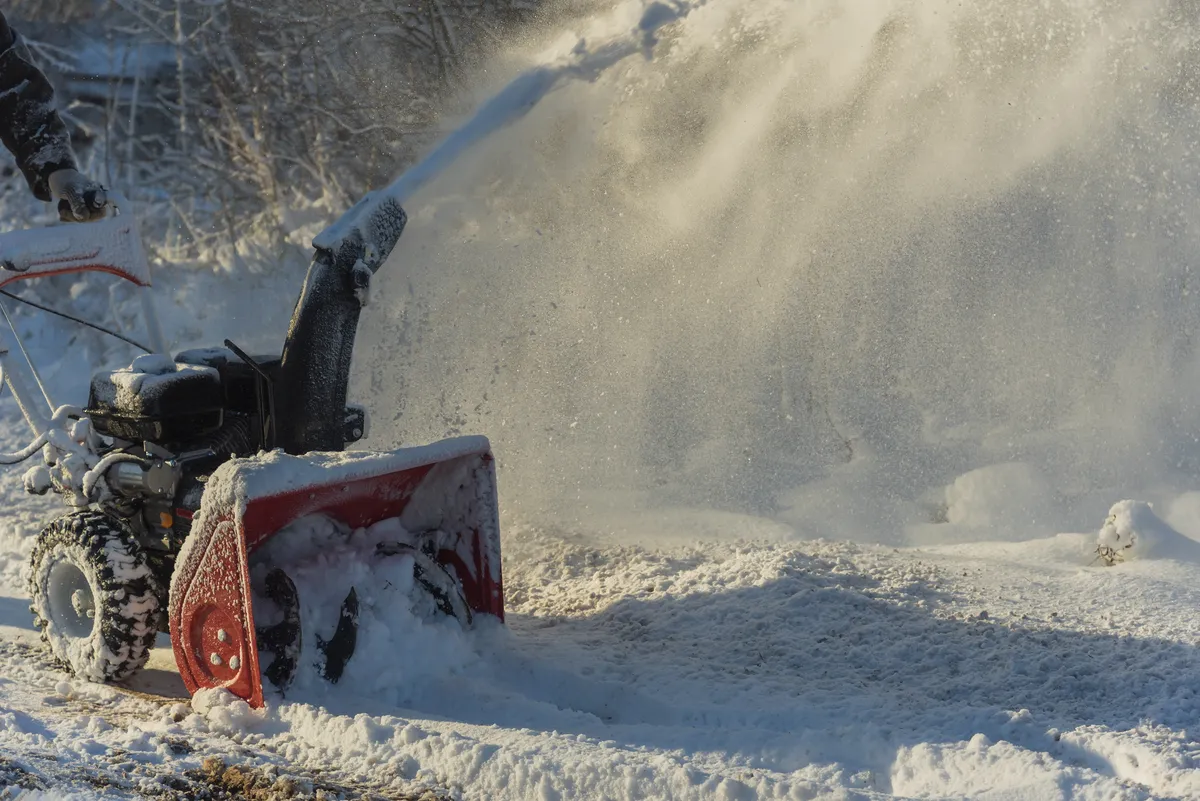
Cedar Falls Driveway Apron Damage from Plow Blades
When a plow blade catches the edge of your driveway apron, it rarely does minor damage. The impact can chip concrete, gouge asphalt, or crack the transition area where your private driveway meets the public street. In Cedar Falls, where winter storms arrive fast and plow operators work long shifts clearing residential streets, these collisions happen more often than most homeowners expect. Understanding why driveway apron damage occurs and what you can do to prevent it protects both your property and your relationship with whoever clears your snow each season.
What Makes the Driveway Apron Vulnerable
The apron is the section of your driveway that slopes from your garage or main drive surface down to the street level. It sits at an angle, which means a plow blade approaching at speed can catch its edge rather than ride cleanly over it. Concrete aprons are especially vulnerable to chipping along that leading edge, while asphalt aprons tend to gouge or tear when a steel blade drags across them under pressure.
Several factors make this worse in Cedar Falls specifically. The freeze-thaw cycles we experience throughout the winter months cause small cracks and surface pitting to expand, weakening the apron material before a single plow ever touches it. When ice forms in those cracks, water expands and creates internal pressure. By the time a February storm sends a plow down your street, your apron may already be compromised at the surface level even if it looks intact from a distance.
How Plow Blades Actually Cause the Damage
City plow trucks moving along Cedar Falls residential streets are not primarily focused on individual driveways. Their job is clearing the lane of travel efficiently. When a blade is set too low or the operator cannot see the edge of your apron clearly, the blade edge catches the transition point and either chips it on contact or drags across it and pulls surface material away.
Private plowing contractors face a similar challenge. Even experienced operators working in tight residential areas can misjudge the apron edge when snow is deep enough to hide it. A blade that angles across your driveway opening while pushing snow to the side can clip the concrete or asphalt at an angle, which is often when the worst chipping occurs. The force concentrates at a single point rather than spreading across a flat surface.
Marker Stakes and Why They Work
The single most effective prevention tool is a set of driveway marker stakes installed before the first snowfall. These are the orange or yellow fiberglass rods you see along driveways throughout Black Hawk County neighborhoods each winter. They give plow operators a visible reference point even when snow is covering the actual apron surface.
Place stakes at the corners of your driveway opening, set back roughly six inches from the actual edge so there is a margin of error. For longer driveways in Cedar Falls neighborhoods like College Hill or west-side residential streets, adding a second pair of stakes farther up the drive can help operators track the full run of the driveway rather than just the entrance. The goal is to make the edges visible from a distance before the blade reaches that point.
Stakes are inexpensive and available at hardware stores throughout the Cedar Falls and Waterloo area. Installing them in late October or early November, before the ground freezes solid, makes the job much easier. Push them in deep enough that a heavy snowfall will not knock them over.
Existing Damage and What to Watch For
If your apron already shows signs of wear, cracks along the edges, or previous chip damage, it is worth having it evaluated before winter gets into full swing. Damaged concrete does not hold up well to plow contact, and an already-cracked apron can break further in a single winter. Asphalt that has become brittle from age or UV exposure is similarly at risk.
Look for horizontal cracks running parallel to the street, spalling on the top surface, and any areas where the apron has settled unevenly. These are signs that the material is weakened and that even a glancing blow from a plow blade could cause significant damage. Addressing these issues before winter rather than after is usually far less expensive.
Working with Your Snow Clearing Contractor
If you use a private contractor for Driveway Snow Clearing, a conversation before the season starts can go a long way. Pointing out any existing damage, confirming where the apron edges are, and discussing blade height preferences all help the operator protect your property. A good contractor will appreciate the information because it also protects their equipment from unexpected impacts.
Ask specifically about blade height settings and whether the contractor uses rubber-tipped blades, which cause significantly less damage than steel blades on decorative or already-weakened concrete. Rubber blade edges flex on contact rather than chipping the surface, and many residential contractors in the Cedar Falls area have shifted to them for exactly this reason.
After a Storm: Checking for New Damage
Once a significant storm passes and plowing is complete, walk your apron while conditions allow and look for new chips, scoring marks, or areas where material has been displaced. Fresh damage is easier to identify before dirt and debris obscure it. Photographing any new damage with a time and date stamp creates a record if you need to follow up with a contractor or file a claim.
If city plowing caused the damage, Black Hawk County and the City of Cedar Falls both have processes for property damage claims. These require documentation and are not guaranteed to result in compensation, but having a clear record of the damage and when it occurred strengthens any claim you might make.
For a broader look at managing your driveway through the winter months, see our driveway snow clearing service overview, which covers equipment types, service expectations, and what to ask when hiring a contractor in this area.
Protecting Your Investment Over the Long Term
Your driveway apron takes more punishment than almost any other part of your property during a Cedar Falls winter. Between city plows, private contractors, and the freeze-thaw cycle that works on it from underneath, keeping it in good shape requires some intentional preparation each fall. Marker stakes, early inspection, honest conversations with your snow clearing provider, and prompt documentation of any new damage are all practical steps that most homeowners in this area can accomplish without significant cost or effort. Prevention is always less expensive than repair, and in the case of concrete and asphalt damage, the difference can be substantial.
