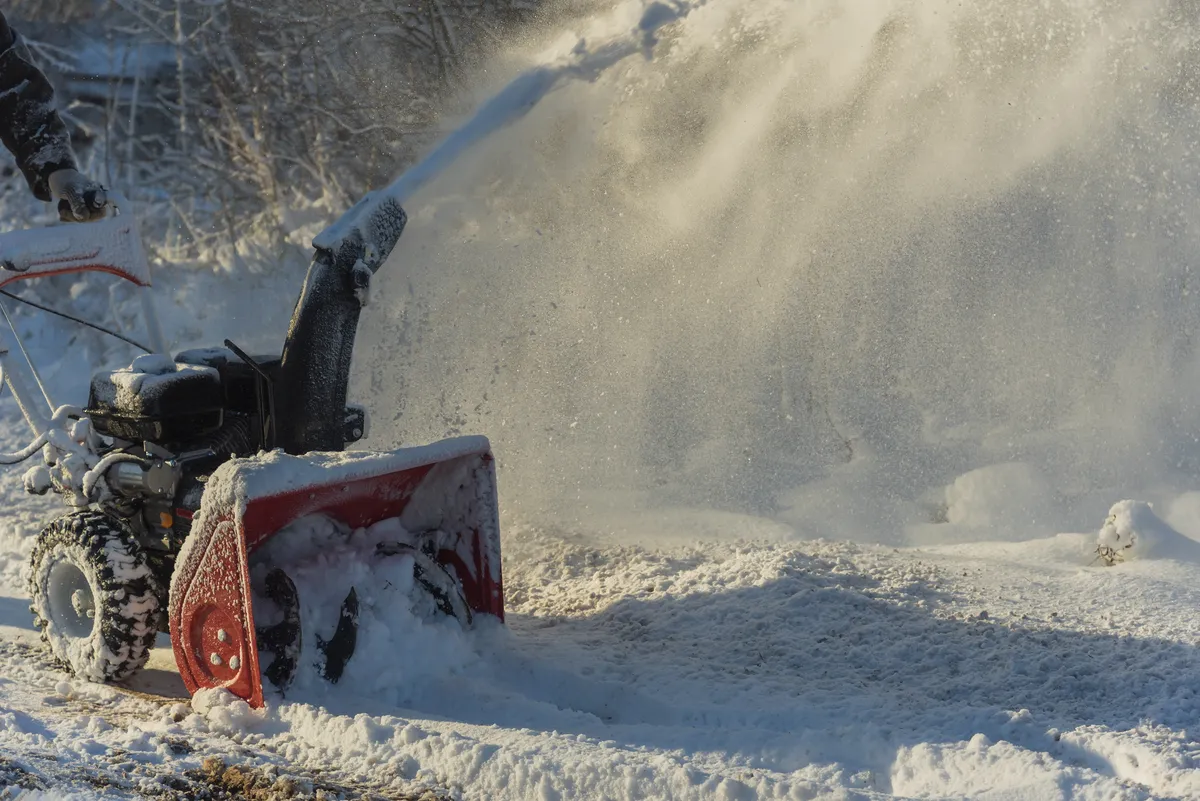
Driveway Snow Clearing for Cedar Falls Iowa Homeowners
Winter in Cedar Falls is not subtle. When a northwest Iowa storm pushes through Black Hawk County, it does not leave a dusting. It leaves eight, ten, sometimes fourteen inches of compacted snow across your driveway, and it expects you to deal with it before the morning commute. For Cedar Falls homeowners, understanding what proper driveway snow clearing actually involves makes the difference between a surface that is genuinely safe and one that looks cleared but hides a layer of packed ice underneath. This guide covers the full picture: how professional plowing works, why snow placement matters, what to expect during multi-storm weeks, and how to keep your driveway accessible all season without destroying the surface in the process.
Why Cedar Falls Driveways Require a Different Approach Than Sidewalks
Sidewalk clearing and driveway clearing are related but not interchangeable. A driveway is a vehicle surface. It carries the weight of trucks, SUVs, and passenger cars repeatedly over the course of a season. When snow is cleared improperly, it does not just leave a messy surface. It creates conditions that accelerate freeze-thaw cracking, promotes ice formation under tire tracks, and leaves areas where water pools and refreezes overnight.
Cedar Falls sits in a region where temperatures regularly swing between above and below freezing in the same week. That cycle is particularly hard on concrete and asphalt because water expands as it freezes. Any snow that is packed down rather than fully cleared becomes a moisture trap that works against your driveway surface over multiple seasons. Proper clearing means full surface coverage, not just a path wide enough for one car to pass.
Full Surface Plowing Versus Path Clearing
One of the most important distinctions in driveway snow clearing is the difference between full surface plowing and path plowing. Path plowing means running equipment down the center of the driveway to create a single lane of access. It is faster, but it leaves packed snow on either side of the tire tracks and along the edges near the garage and the street connection.
Full surface plowing means clearing edge to edge, including the apron where the driveway meets the street and the area directly in front of the garage door. Those two zones are where most ice problems develop. The apron gets refilled by city plows running the street, and the garage entry gets shadow-frozen from the cold mass of the garage itself. If those areas are not part of every clearing pass, you will be chipping ice by hand within a day or two of a storm.
For Cedar Falls homeowners with longer driveways or curved layouts, full surface coverage also means adjusting the plow angle during each pass to push snow consistently toward the designated stacking area rather than redistributing it across the surface.
Smart Snow Stacking and Why Placement Decisions Matter Early
Where snow goes after it leaves your driveway surface matters as much as getting it off the pavement. Poor stacking decisions made in December compound into serious problems by February. A pile started too close to the street blocks sightlines when you back out. A pile placed over a buried utility, sprinkler head, or landscaping bed can cause damage that you will not discover until spring thaw.
Professional crews assess stacking locations before the season gets heavy. The goal is to direct snow to areas that have enough volume capacity for multiple storms, do not create drainage problems when the melt begins, and stay clear of anything that could be damaged by the weight of a compacted pile. For most Cedar Falls residential properties, that means one corner of the lawn near the driveway edge, typically away from the street and away from downspouts or basement window wells.
For more detail on making the right decisions about where snow ends up, the snow stacking placement pointers post covers specific scenarios and what to watch for across a full Iowa winter season.
How Multi-Pass Coverage Works During Heavy Iowa Storms
A single pass is adequate for light snowfall events under three inches. Iowa winters do not specialize in light events. When a storm drops eight to twelve inches across Black Hawk County, single-pass plowing is not only ineffective, it is potentially damaging to the equipment and leaves a surface that requires multiple follow-up visits to clear properly.
Multi-pass coverage means the crew returns to the property during the storm or runs additional passes after the initial clearing to address accumulation that continued while the first pass was being completed. On a heavy storm night, a driveway might be visited two or three times before the precipitation ends. The goal is to prevent snow from compacting under its own weight and bonding to the pavement surface.
Compacted snow that bonds to asphalt or concrete is significantly harder to remove cleanly than fresh snow. It often requires scraping, which increases the risk of surface damage on older driveways. Staying ahead of compaction during heavy events is a core part of what separates professional driveway snow clearing from a neighbor-with-a-plow-truck setup. If you are evaluating services in Cedar Falls, ask specifically whether they return during multi-inch storms or only clear after precipitation has stopped.
The Apron Problem and Street Plowing Interaction
Cedar Falls city plows do their job well, but that job creates a consistent challenge for residential driveways. Every time a city plow runs down your street, it deposits a windrow of packed snow and ice directly across the bottom of your driveway apron. This windrow can be several inches of consolidated material, heavier and harder than anything that fell directly from the sky.
A driveway clearing service that does not include apron cleanup is leaving you with the worst part of the problem unsolved. That windrow freezes solid within hours, and driving over it repeatedly packs it harder until it becomes a solid ice ridge that threatens vehicle clearance and creates a slip hazard for anyone walking out to get the mail or retrieve packages from a delivery driver.
Good Driveway Snow Clearing service in Cedar Falls always includes apron clearing as a standard element of each visit, not as an add-on. If a quote you receive does not mention apron work, clarify whether it is included before the season starts.
Surface Protection Across the Full Winter Season
Cedar Falls homeowners often ask whether plowing damages their driveway. The honest answer is that plowing done correctly does not damage driveways, but plowing done carelessly can. The main risk factors are plow blade contact angle, blade height calibration, and whether the operator knows the layout of your property including any surface variations like expansion joints, patches, or low spots near the garage.
Blade height is particularly important on asphalt driveways. A blade set too low catches edge lips and expansion joints. A blade set too high leaves a thin layer of packed snow that becomes ice. Good operators set their blade appropriately for each surface type and adjust when conditions change, such as when frost heaving shifts a section of concrete slightly between visits.
You can protect your driveway surface by making sure any service you hire knows about existing cracks, patches, or problem areas before the first storm. Walk the driveway with whoever is quoting the work and point out anything that might catch a blade or affect how the plow needs to move through the space.
Timing and Trigger Depths for Cedar Falls Properties
Most professional snow clearing services in the Cedar Falls area operate on a trigger depth model. This means service begins automatically once accumulation reaches a defined threshold, typically two inches. That threshold is set for a reason. Less than two inches of dry, light snow on a flat driveway can often be driven through without issue. Anything over that threshold starts presenting real traction and safety concerns, especially near the street edge where ice formation is most aggressive.
Homeowners sometimes ask to lower the trigger depth to one inch during periods of freezing rain or sleet. That is a reasonable request, because sleet and freezing rain behave very differently from dry snow. Even a half-inch of sleet on a driveway can create a completely impassable ice sheet within hours. If you live on a driveway with any slope or grade, discuss sleet and freezing rain protocols with your service provider before winter starts rather than calling mid-storm.
Seasonal Contracts Versus Per-Event Pricing in Cedar Falls
Cedar Falls winters average roughly fifteen to twenty significant snow events per season, with some years pushing higher. How you structure your service agreement affects both your budget predictability and how quickly crews prioritize your property during a busy storm night.
Seasonal contracts cover unlimited events up to a defined snowfall per visit. They work well for homeowners who want predictable costs and priority service. Per-event pricing works for homeowners with flexible schedules who can sometimes manage light events themselves. The right choice depends on your property, your schedule, and your risk tolerance for being caught in a bad weather window without service lined up.
One consideration specific to Black Hawk County is that Cedar Falls storm patterns sometimes produce multiple back-to-back events within the same week. A seasonal contract protects you when that happens. Per-event billing during a week with three storms can add up quickly and, in a busy season, you may find services fully committed and unable to fit in new per-event clients.
What Homeowners Should Do Before the Season Starts
Preparation before the first storm arrives makes every clearing visit more efficient and reduces the chance of damage. Mark your driveway edges with driveway stakes before the ground freezes. These give the operator a clear reference for where pavement ends and lawn begins, especially after a heavy snowfall obscures all visual boundaries. Stakes should be placed at both sides of the driveway at the street, at any turns or widened sections, and near the garage corners.
Remove any obstacles from the driveway surface that could be buried and hit by a plow blade. Basketball hoops, garden hose reels, decorative edging, and portable outdoor furniture should be stored before November. In Cedar Falls, first significant snow events have arrived as early as late October in some recent years, so do not wait until December to clear the area.
Finally, share your contact information with your service provider and confirm how they communicate service completion. Knowing whether your driveway has been cleared before you get in the car at six in the morning matters, especially during storms that run overnight.
