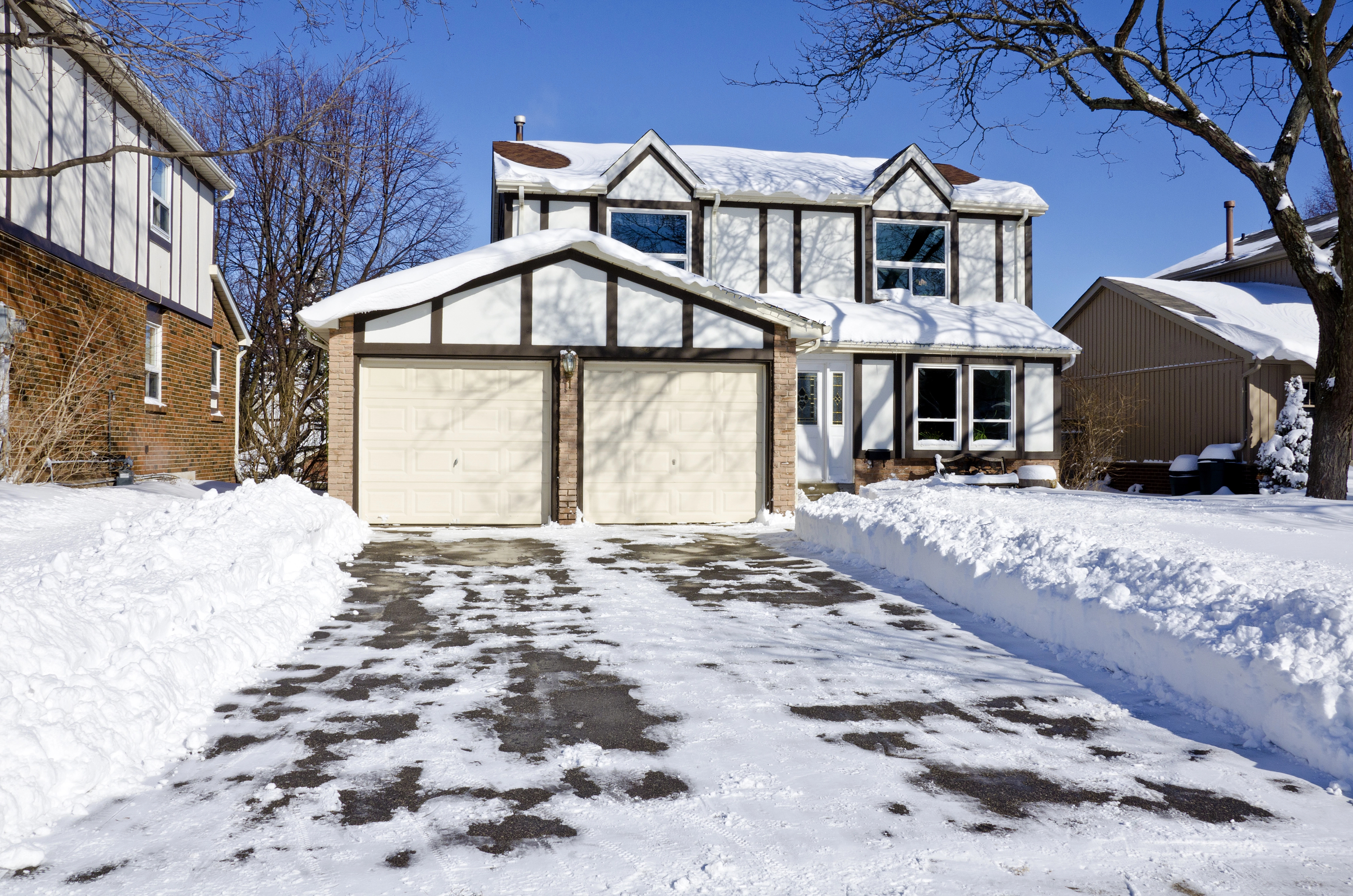
Snow Stacking Around Cedar Falls Driveways and Lawns
When snow gets pushed off a Cedar Falls driveway or cleared from a sidewalk, it has to go somewhere. Most homeowners don't think twice about where that pile ends up — but where snow gets stacked has real consequences for spring drainage, lawn health, and even how well you can see when backing out of the drive. Iowa winters can pile up quickly, and a few early decisions about snow placement can save you a lot of headaches once March arrives and the ground starts thawing.
Why Snow Pile Placement Matters More Than You Think
The average Black Hawk County winter delivers multiple storm events that can layer snow over a period of months. That means a pile started in December might still be sitting there in late February, growing denser and icier with every thaw-refreeze cycle. By the time it finally melts, a poorly placed pile can create a concentrated rush of meltwater with nowhere to go.
In Cedar Falls neighborhoods, many properties slope gently toward the street or toward neighboring lots. Stacking snow in a low spot near a foundation or directly against a garage wall traps that meltwater right where you don't want it. Over time, repeated freeze-thaw cycles can also push against concrete edges and accelerate cracking in driveways and sidewalks — especially in older sections of the city where surfaces have already seen decades of Iowa winters.
The Best Spots to Stack Snow on a Residential Property
The goal is to direct meltwater away from structures and hard surfaces, and ideally toward areas that can absorb it gradually. A few general guidelines work well for most Cedar Falls properties:
- Corners of the yard, away from the foundation — This gives snow plenty of room to melt slowly into turf rather than pooling near the house.
- Along fence lines or property edges — As long as water has a clear path to drain, the perimeter of the yard is usually a safe choice.
- Gentle slopes facing open lawn area — Meltwater will run off naturally when temperatures rise, rather than sitting against a structure.
- Spots with good sun exposure — South-facing areas of the yard get more direct sun and help piles shrink faster, reducing the window for soil saturation.
What to avoid: stacking snow directly in front of drains, over utility access covers, against wooden fence posts, or in spots that already collect water during spring rains. Cedar Falls sees its share of April rainfall, and a lawn that's already waterlogged from snowmelt doesn't need more moisture piling on.
Sightline Safety at the End of the Driveway
One overlooked problem with snow stacking is what it does to your sightlines. In many Cedar Falls residential areas, streets are relatively narrow and traffic can move quickly. A large pile at the end of your driveway — especially on a corner lot — can block your view of oncoming vehicles, cyclists, or pedestrians using the sidewalk.
When clearing your own drive or working with a snow removal crew, think about how the pile at the street edge will affect what you can see when you back out. Angling piles back from the curb line rather than pushing them right to the street edge gives you a few extra feet of sight distance. It also reduces the chance of plow trucks clipping your pile on their passes and pushing snow back onto freshly cleared surfaces.
What Heavy Stacking Does to Lawn and Turf
Grass under a snow pile faces a different environment than grass under a light dusting. Heavy, compacted snow limits airflow and keeps soil temperatures consistently cold. When that pile lingers into late March or early April while surrounding turf is already beginning to green up, the area underneath can develop snow mold or experience turf damage from prolonged compression.
In Cedar Falls, where lawns often include Kentucky bluegrass and fescue varieties that are moderately cold-tolerant but not immune to damage, pile placement during heavy winters can influence how your lawn looks in May. Rotating pile locations slightly from storm to storm — rather than adding to the same mound all season — helps distribute the compaction and cold stress across a larger area of turf.
For our our snow removal overview, we walk through how seasonal accumulation patterns affect residential service decisions across the area. Understanding the full winter picture can help you plan pile placement early in the season rather than reacting mid-January.
Working With a Snow Removal Crew on Placement
If you're using a professional service for your Cedar Falls property, it's worth having a conversation about where you want snow stacked before the first storm hits. Most crews follow default patterns unless directed otherwise — typically pushing snow to one side of the driveway and building a pile near the garage or sidewalk corner.
Giving specific guidance about your drainage concerns, whether you have irrigation lines or buried downspout drains near the lawn edge, or whether you're on a corner lot with sightline restrictions helps the crew make better decisions every time they visit. A good Snow Removal service will take those preferences into account and note them for the season rather than requiring you to remind them each time.
Handling Mid-Season Piles That Have Grown Too Large
Sometimes a pile builds up faster than expected — after back-to-back storms in January or February, you can end up with a mound that's hard to add to and poorly positioned. At that point, you have a few options: relocate snow to a secondary pile location, have a crew haul and redistribute it, or simply accept that it will melt where it sits and focus on drainage from there.
If you anticipate a drainage problem, clearing a shallow channel through lawn or mulch areas toward the street before the big melt begins can help water escape rather than pool. Cedar Falls storm drains typically handle spring runoff reasonably well, but during rapid melt events, they can become temporarily overwhelmed — especially in lower-lying neighborhoods near the Cedar River basin.
Planning Ahead for the Full Winter Season
Thinking about snow stacking isn't just a practical concern — it's part of maintaining your property through one of the more demanding climates in the region. Iowa winters are unpredictable, and Black Hawk County routinely sees weather swings that test how well a property manages moisture and cold stress. Intentional pile placement, even if it requires a bit more effort during removal, pays off when spring arrives and your lawn, driveway, and drainage are all in better condition than they would have been otherwise.
