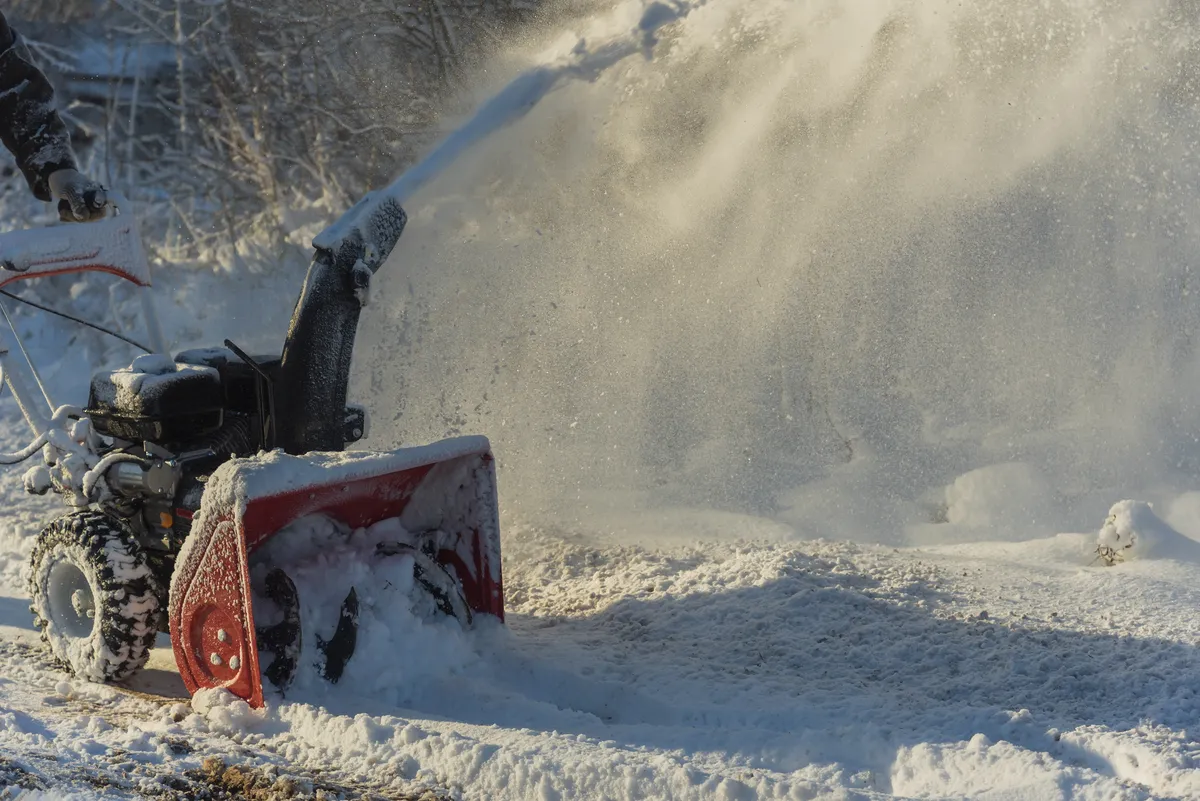
Cedar Falls Driveway Plowing After Six Inch Storms
A six inch snowfall in Cedar Falls is not a rare inconvenience — it is a regular feature of Black Hawk County winters. When a storm drops that much snow overnight or across a single day, the challenge shifts from simple cleanup to managing accumulation before it compacts under tire traffic or freezes into a surface that a blade cannot effectively move. For homeowners on a plowing route, understanding what happens during and after a heavy storm helps set realistic expectations and keeps the working relationship between resident and provider running smoothly all season.
Why Six Inches Changes the Approach
Most residential driveway plowing setups are calibrated for lighter, more frequent snowfall. When accumulation reaches six inches or more, a single pass with a standard blade leaves behind a pushed row at the end of the driveway that can be taller than the blade itself, and side banks begin cutting into usable width. The physics of heavy snow also mean that wet, dense accumulation — common in Iowa storms that arrive with temperatures hovering near freezing — weighs significantly more per cubic foot than the dry powder that falls during colder events. That added weight increases the risk of the snowpack bonding to the concrete or asphalt surface if clearing is delayed past a certain window.
A multi pass strategy addresses this directly. Rather than trying to move the entire depth in one run, the operator makes an initial pass to cut the volume down, then follows with a second or third pass to clean the remaining material toward the edges and push the end row farther back from the street. This takes more time per driveway, which is why six inch storms tend to extend route schedules considerably compared to a two or three inch event.
What Multi Pass Clearing Actually Involves
The term multi pass is straightforward in concept but has meaningful variation in execution. On a standard residential driveway in the Cedar Falls area — which often runs thirty to sixty feet in length and serves a two stall garage — a first pass typically runs down the center to open a working lane. The second pass widens toward one edge, pushing material to the side rather than the end. A third pass clears the opposite edge. A final cleanup run addresses the apron area near the street, where the city plow may have deposited an additional windrow from the road clearing operation.
Each pass builds on the previous one, and the order matters. Skipping straight to a full width pass in deep snow risks bogging down the equipment or leaving uneven ridges that freeze overnight. When done correctly, multi pass clearing leaves a surface that drains properly, keeps the apron open, and does not leave compressed ruts along the tire paths.
Route Scheduling on Heavy Storm Days
One of the most common sources of frustration after a large storm is the timing of service. When a storm drops six or more inches across Cedar Falls, every property on the route needs more attention, and every stop takes longer. A route that completes in four hours during a light dusting might run eight to ten hours or longer after a heavy overnight storm. Providers typically prioritize in a way that balances geography and urgency, but the honest reality is that properties toward the end of the route will wait longer on heavy days.
If your driveway is scheduled and you know a significant storm is coming, a few practical steps help. First, avoid parking a vehicle in the driveway during the active snowfall period if possible, since tire tracks compact snow into packed layers that are far more difficult to clear than fresh accumulation. Second, do not assume the service window from a light storm applies to a heavier one. Third, check in with your provider if you need early access for a specific reason — most operators can note time sensitive stops and adjust sequence when the logistics allow.
Common Misconceptions About Deep Snow Clearing
Some residents assume that a single plow pass at the right time — ideally right after the storm ends — eliminates the need for multi pass work. In practice, timing does help reduce bonding and compaction, but volume is the controlling factor. A six inch total accumulation that falls in two waves separated by several hours actually presents more difficulty than the same depth falling continuously, because the lower layer may have partially set before the upper layer arrived. Multi pass clearing is not a sign of inefficiency — it is the correct response to the accumulation level.
Another misconception involves the end of driveway windrow that city plows create. Residents sometimes expect the driveway service to include full removal of whatever the street plow deposits after the driveway has been cleared. Whether that is included depends on the specific service agreement. If your household is near a primary street in Cedar Falls, the municipal plow timing can add a meaningful windrow at the apron even after your driveway service is complete. Clarifying this with your provider before the season starts avoids misunderstanding mid winter.
Local Conditions That Affect Six Inch Storm Response
Cedar Falls properties vary in layout in ways that directly affect how a heavy storm is handled. Corner lots face windrow buildup from two street edges rather than one. Properties with circular drives require different sequencing to push snow away from the center without creating blockages. Driveways that slope toward the garage — which is not uncommon on older Black Hawk County lots — require extra attention to ensure snow does not melt and refreeze near the foundation line. A provider familiar with Cedar Falls neighborhoods will account for these site specific factors rather than applying a uniform pass sequence to every stop.
For reliable multi pass service after heavy accumulation, Driveway Snow Clearing from a locally operated provider makes a practical difference compared to a larger regional outfit with less familiarity with specific street layouts and lot configurations in this part of Iowa.
Preparing Your Property for the Season
Before the first significant storm arrives, a few property side steps reduce complications during heavy events. Mark any buried edges, curb lines, or drain covers that a blade could catch. Trim any low hanging vegetation along the driveway margin that accumulating snow might pull down onto the cleared surface. Make sure the area at the end of the driveway where pushed snow will pile has enough room to hold multiple heavy storms worth of material without blocking sightlines or adjacent walkways.
Reading about our driveway snow clearing service gives a fuller picture of how seasonal agreements work and what to expect across the full range of Iowa winter conditions, not just the heavy accumulation events that draw the most attention.
Six inch storms will keep coming in Cedar Falls. Having a clear understanding of the multi pass approach, realistic expectations around route timing, and a service provider who knows local lot conditions is the combination that gets you through the heavy months without recurring frustration or damage to the driveway surface itself.
