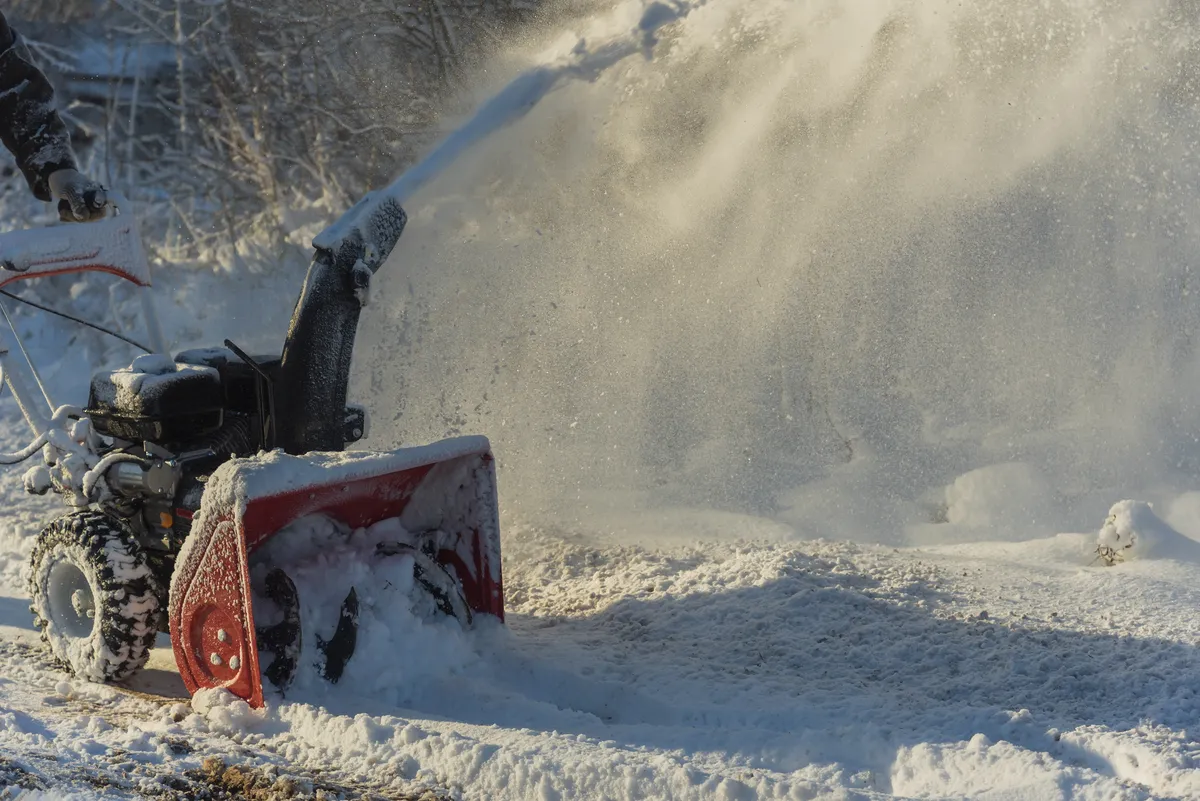
Driveway Snow Clearing Before the Cedar Falls Commute
Winter mornings in Cedar Falls move fast. By the time your alarm goes off, an overnight storm may have already dropped four to six inches across your driveway, and the clock is ticking before school drop-offs and work shifts begin. Getting out on time is not just a matter of convenience — in Northeast Iowa winters, a blocked driveway can cascade into a late arrival, a missed meeting, or a dangerous rush through uncleared ice. Understanding how driveway snow clearing fits into your morning commute routine is the first step toward taking the stress out of Iowa winters.
Why Timing Is Everything for Cedar Falls Commuters
Cedar Falls sits squarely in a corridor that receives significant lake-effect and Alberta Clipper snowfall between November and March. Storms that roll through overnight often deposit the bulk of their accumulation between 2:00 a.m. and 6:00 a.m., which is precisely the window before most households are awake and moving. If your driveway clearing starts after you pour your first cup of coffee, you are already behind.
City snowplows on major Cedar Falls arterials like University Avenue and Main Street typically begin their routes during or just after the storm, but residential side streets can take hours longer to clear. Even when the street in front of your home gets plowed, that pass often deposits a dense windrow of packed snow right across the end of your driveway. Without a plan to handle that windrow, your cleared driveway becomes blocked again before you back out.
What Overnight Storms Actually Look Like in Northeast Iowa
Not every winter storm in the Cedar Valley is a headline blizzard. Many of the most disruptive events are the quiet, steady overnight snowfalls that accumulate three to seven inches without a dramatic forecast to warn you. These events are common from December through February and often arrive on weeknights when homeowners have less time to react the following morning.
Temperatures in Cedar Falls during peak winter months frequently drop below 10°F overnight, which means fresh snow compacts quickly under its own weight and bonds to concrete and asphalt surfaces. Snow that sits on a driveway for even an hour in sub-freezing conditions becomes harder to move than snow cleared immediately after the storm ends. This is why professional clearing crews who begin routes before sunrise consistently deliver better results than homeowners who wait until daylight.
The Practical Reality of DIY Driveway Clearing Before Work
Many Cedar Falls homeowners attempt to handle their own driveway clearing and discover quickly that the time commitment is more than their schedule allows. A typical two-car driveway with a standard approach apron takes between 25 and 45 minutes to clear properly with a snow blower, and longer if the windrow from the city plow needs to be addressed separately. Add in the time to warm up equipment, suit up for sub-zero wind chills, and cool down before heading inside to get ready for work, and the math rarely works in favor of doing it yourself on a weekday morning.
Physical strain is also a real factor. Shoveling wet, heavy Iowa snow is one of the leading causes of winter cardiac events nationally, and Cedar Falls emergency services see that pattern reflected locally every season. Homeowners over 50, those with cardiovascular conditions, or anyone managing a busy household with young children face a meaningful risk when they take on heavy snow clearing under time pressure before dawn.
How Professional Clearing Fits Around Your Schedule
The core advantage of professional Driveway Snow Clearing is that the work happens before you need to leave, not when it is convenient for you to do it yourself. Reputable local services in the Cedar Falls area monitor storm forecasts and deploy crews during or immediately after significant snowfall events, which means your driveway can be clear before your alarm goes off.
Seasonal contracts provide the most reliable coverage. When you are on a scheduled route, your address is built into the crew's plan for every qualifying storm event. You do not have to call in the morning, check an app, or hope someone is available. For households where both adults are leaving for work before 7:30 a.m. — which describes a large portion of the Cedar Falls workforce commuting toward the Highway 58 corridor or across to Waterloo — that reliability has real value.
For more background on what to expect and how service agreements are structured, read our driveway snow clearing service overview, which walks through the specifics for Cedar Falls homeowners.
Understanding Plow Timing and Windrow Management
One detail that frequently surprises homeowners new to Cedar Falls is the relationship between city plow timing and residential driveway clearing. The city prioritizes arterial roads, emergency routes, and school access corridors first. Residential streets in neighborhoods like College Hill, Orchard Hills, and the subdivisions north of University Avenue are typically addressed in later passes.
This means your street may not be cleared until mid-morning even after a heavy overnight storm, and when the plow does come through, it will push a heavy ridge of compacted snow across the end of your driveway. A professional clearing service that times its route correctly will return to addresses affected by windrow deposits, or will account for this in the original clearing pass by leaving the apron area clear of obstacles that make windrow removal harder.
Setting Up for a Better Winter Routine
The homeowners who handle Cedar Falls winters with the least friction tend to make their decisions before the first major storm, not during it. Booking a seasonal contract in October or early November locks in pricing, guarantees route placement, and removes the scramble of trying to find available service after a major event when every provider in the Cedar Valley is at capacity.
Think through your household's actual departure window. If anyone in your home leaves before 7:00 a.m., you need a clearing service that is operating before that hour. Confirm that detail with any provider you consider, along with their policy on windrow clearing and how they handle back-to-back storm events. A little clarity upfront means you are not standing in your driveway in the dark wondering what went wrong.
