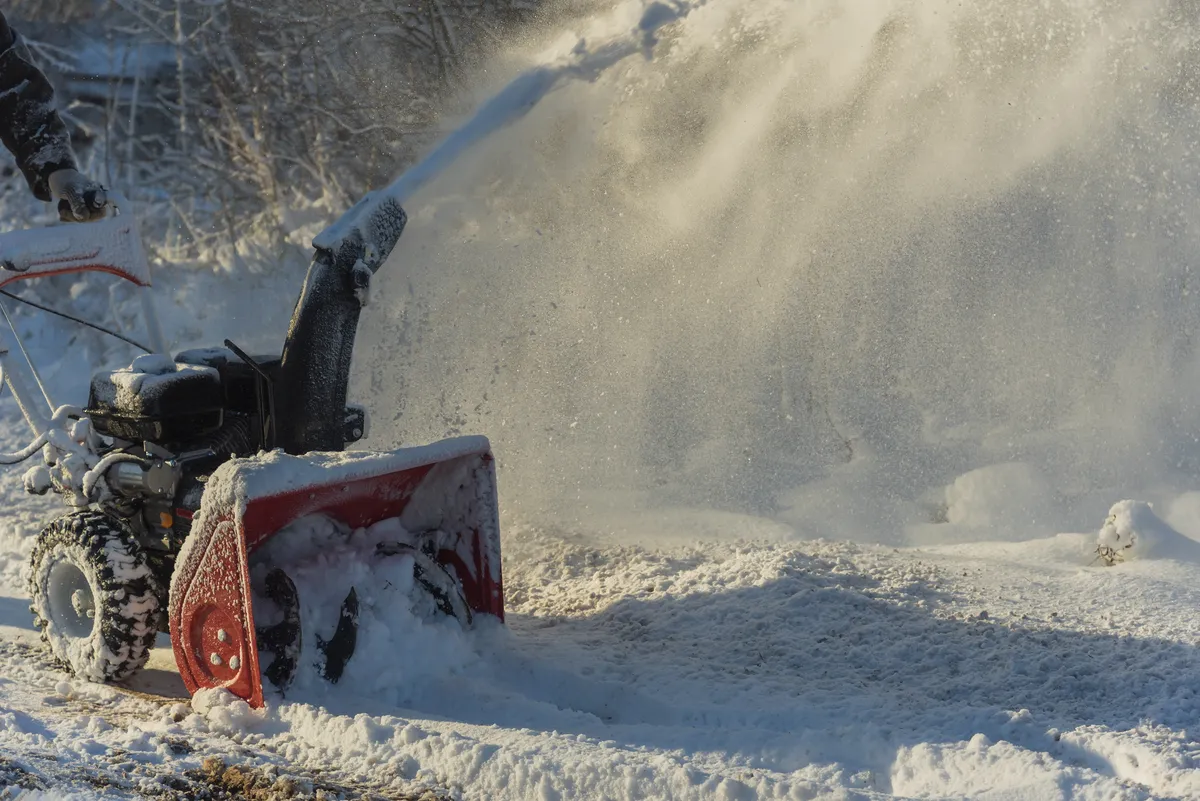
Gravel Driveway Snow Clearing Near Cedar Falls Iowa
Gravel driveways are common throughout the Cedar Falls area, and they present a unique challenge when winter arrives. Unlike concrete or asphalt, loose gravel shifts, migrates, and gets caught up in plow blades when crews aren't experienced with the surface type. If you've ever ended up with a pile of gravel mixed into your snowbank at the end of the season, you already know the frustration — and the added spring cost of raking stones back into place. Understanding how professional crews handle gravel surfaces helps you choose the right service and protect your driveway investment year after year.
Why Gravel Driveways Require a Different Approach
The core issue with plowing gravel is blade contact. On paved surfaces, a plow blade can ride at or near ground level and scrape cleanly. On a gravel driveway, that same technique tears into the surface, catching stones and launching them into the snowbank, the yard, or the road. Over a full Iowa winter — which in Cedar Falls can bring multiple snowfalls from November through March — repeated aggressive plowing can displace a significant portion of the gravel bed, thin out the driving surface, and leave the underlying soil exposed and vulnerable.
Experienced crews raise the blade height by one to two inches when working gravel driveways. This keeps the blade riding on top of the compacted gravel rather than digging into it. The tradeoff is a thin layer of snow left behind, which actually serves a purpose: it acts as a protective buffer for the remaining gravel surface and provides traction for vehicles. Most homeowners with gravel drives in the Black Hawk County area learn to accept this thin residual layer as part of the process rather than expecting a completely bare surface.
What the Cedar Falls Climate Means for Gravel Plowing
Cedar Falls winters are not mild. The city sits in northeast Iowa where storm systems regularly push down from Canada and combine with moisture from the south, producing heavy snowfalls, ice events, and freeze-thaw cycles that complicate gravel maintenance. A gravel driveway in this region faces repeated temperature swings throughout the season, which causes the gravel to shift and settle differently than it would in a milder climate.
Freeze-thaw cycles are particularly relevant. When moisture works its way between gravel particles and then freezes, it can heave sections of the driveway surface slightly. A plow blade at the wrong height during these conditions doesn't just move snow — it can crack and lift compacted sections of the bed. Crews who work regularly in the Cedar Falls and Black Hawk County area understand this behavior and adjust blade pressure accordingly, especially in the transitional months of November and March when daytime temperatures may be above freezing but overnight temperatures drop significantly.
Gravel Plowing Techniques That Protect Your Driveway
Beyond blade height, there are several techniques that distinguish skilled Iowa gravel plowing from a standard snow removal job. First, experienced operators use blade float rather than locking the blade at a fixed angle. Float allows the blade to follow subtle grade changes in a gravel driveway without digging in at low spots. This is especially important on rural-style long driveways that may have settled unevenly over years of use.
Second, edge work matters. The sides of a gravel driveway where snow meets the gravel edge are easy places to accidentally scoop surface material into the push pile. Careful operators slow down and angle the blade to push material away from the edge rather than across it. Third, if sand or ice melt applications are needed mid-season, the right product choice matters on gravel — aggressive deicers can accelerate gravel breakdown and affect the stability of the surface over time.
For homeowners in Cedar Falls who want to minimize gravel displacement, it also helps to have a fresh layer of gravel topped off before winter begins. A stable, well-compacted surface with adequate depth gives plow operators more margin for error and reduces the chance of thinning the driveway down to bare spots.
What to Look for in a Local Snow Removal Service
Not every snow removal company in the area has hands-on experience with gravel driveways. This is one of those situations where asking direct questions before hiring matters. Ask whether the crew uses float mode on their equipment, what blade height they set for unpaved surfaces, and whether they have other gravel driveway clients in the Cedar Falls area. A company that can answer these questions specifically and confidently is far more likely to leave your driveway intact at the end of the season.
Timing also matters. Gravel driveways benefit from plowing during or shortly after snowfall rather than waiting for snow to pack and compress. Once snow has been driven over and compacted on a gravel surface, removing it cleanly becomes significantly harder without also disturbing the gravel beneath. If you're on a service schedule, look for a provider who offers trigger-based dispatch — typically activating at two inches of accumulation — so that snow doesn't have a chance to bond with the surface before it's removed.
You can learn more about scheduling and what's included when you read our driveway snow clearing service overview, which covers what Cedar Falls homeowners should expect from a professional crew during a typical Iowa winter season.
Protecting the Perimeter and Surrounding Landscaping
Gravel driveways in the Cedar Falls area often border lawn edges, garden beds, or landscaping that sits close to the driving surface. Snow displacement during plowing is a real concern — gravel mixed into lawn areas can damage mower blades the following spring, and gravel pushed into planted beds can affect soil drainage and plant health. Marking the edges of your driveway with driveway stakes or guide markers before the first snowfall gives plow operators clear visual reference points, especially during heavy overnight storms when visibility is reduced and surface definition disappears under snow cover.
Some homeowners also choose to have a thin layer of gravel pushed back toward the center of the driveway in late fall before winter begins, which gives operators a bit more working width and reduces the chance of edging material being caught and moved. Small preparations like this, combined with a crew experienced in Driveway Snow Clearing on gravel surfaces, go a long way toward keeping your driveway functional and intact through a full Black Hawk County winter.
Working With the Right Crew Makes the Difference
Gravel driveways aren't harder to maintain in winter — they're just different. The homeowners who come out of winter with their gravel intact are the ones who hired a crew familiar with the surface type, set clear expectations at the start of the season, and prepared the driveway appropriately before the first major snowfall. In Cedar Falls, where winters are reliably challenging and gravel driveways remain common on both residential and rural properties throughout Black Hawk County, finding a local snow removal service with direct gravel experience isn't optional — it's the difference between a protected driveway and an expensive spring restoration project.
