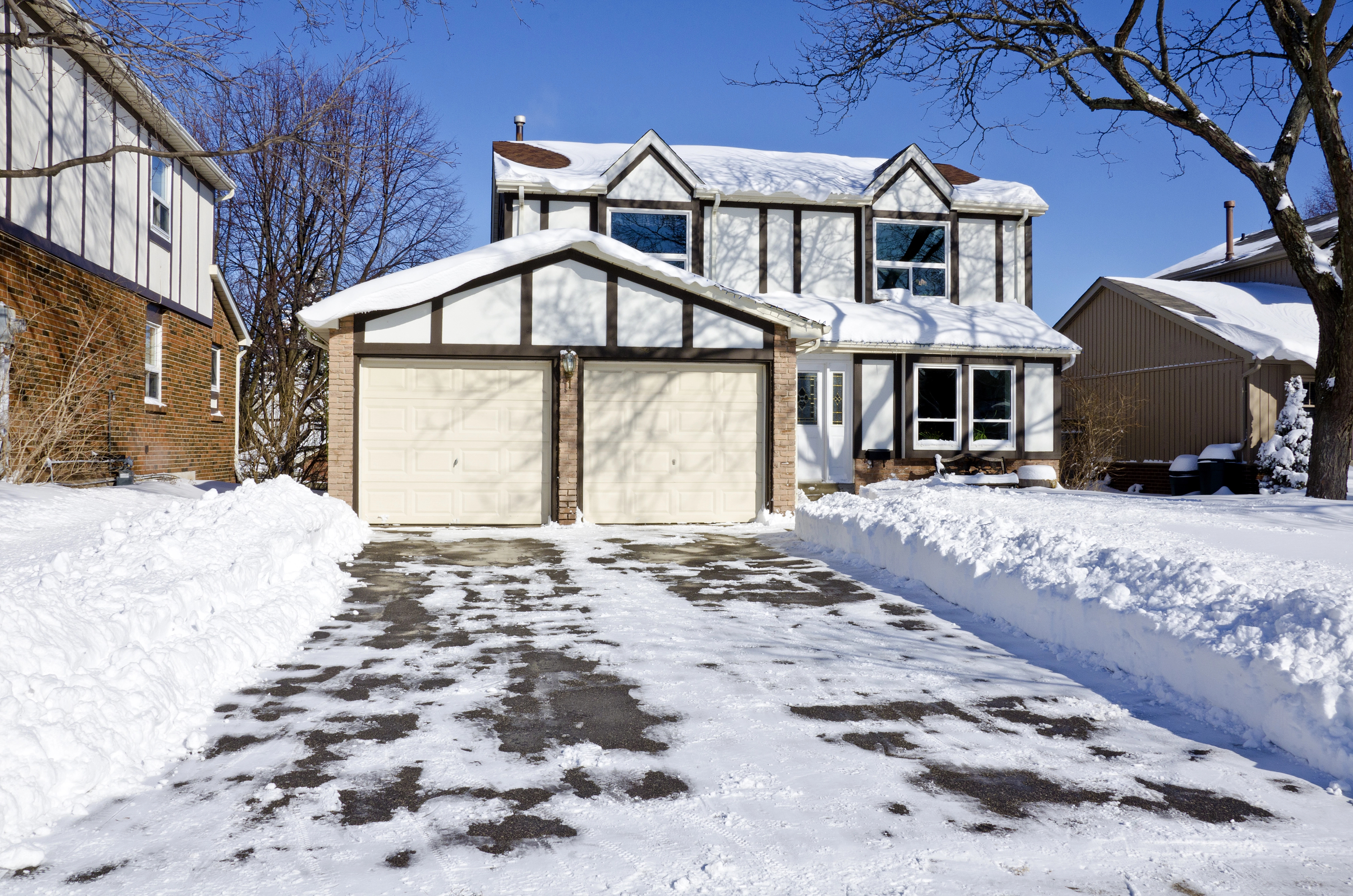
Local Snow Crews Serving the Cedar Valley Iowa Region
When a winter storm rolls through the Cedar Valley, the difference between a cleared driveway and a frozen mess often comes down to which crew is running your neighborhood. Local snow removal operations based in and around Cedar Falls and Waterloo know Black Hawk County's streets, cul-de-sacs, and subdivision layouts in a way that distant dispatch centers simply cannot replicate. That familiarity translates into faster route completion, fewer missed stops, and driveways that are ready before your alarm goes off.
How Cedar Valley Snow Crews Organize Their Routes
Professional snow crews in the Cedar Valley don't just show up when they feel like it. Routes are pre-mapped by neighborhood density and geographic proximity so trucks move efficiently from one property to the next. In Black Hawk County, that typically means crews split along major corridors — crews working the College Hill and University Avenue areas of Cedar Falls while others cover the south-side Waterloo neighborhoods simultaneously.
Bremer County properties, including parts of Waverly and Janesville, often see crews dispatched from a staging point that keeps drive time minimal. The goal is always the same: complete the route before residential streets fill with morning commuter traffic. When storm timing is predictable, crews pre-treat ahead of snowfall. When it isn't, they stage and mobilize the moment accumulation hits the threshold where manual removal becomes necessary.
For Snow Removal service across Cedar Falls and surrounding communities, local crews are the backbone of everything that works about this model. They live here. They drive these roads every day, not just during storms.
What Makes Black Hawk County Conditions Unique
Iowa winters aren't monolithic. The Cedar Valley sits in a corridor that regularly sees lake-effect moisture combining with Canadian cold fronts to produce heavy, wet snow events followed quickly by refreezing. That cycle — snow, partial melt, refreeze — creates a layered ice problem that requires more than a single plow pass to resolve.
Crews familiar with Black Hawk County know which properties drain poorly and tend to ice over at the bottom of a slope. They know which subdivision streets see compaction from heavy school bus traffic before 7 a.m. They know that some areas along the Cedar River lowlands can stay several degrees colder than elevated neighborhoods only a mile away. That local knowledge shapes how they approach each property and whether they prioritize ice melt application alongside plowing.
The city of Cedar Falls maintains its own arterial plowing schedule, but residential driveways and private sidewalks are entirely the homeowner's responsibility under local ordinance. That's where private snow crews fill a critical gap — and why timing, not just completion, matters so much to residents.
Seasonal Contracts Versus Per-Event Service
One of the most practical decisions you'll make as a Cedar Valley homeowner is whether to sign a seasonal contract or pay per storm event. Both approaches have legitimate uses depending on your situation.
Seasonal contracts offer predictability. You pay a flat rate for the winter season, typically defined by calendar months or snowfall season, and the crew shows up automatically every time accumulation hits the trigger depth — usually two inches. For households with working adults who simply cannot be home to manage snow themselves, this removes the decision-making entirely. You're on the route. You get cleared. There's no call to make.
Per-event pricing works better for homeowners who travel frequently, work from home and have flexible mornings, or whose properties are smaller and faster to clear manually. The tradeoff is availability: during heavy storm events, crews prioritize seasonal contract customers first. If you're calling the morning after eight inches of snow, you may be waiting.
Local crews in Waterloo and Cedar Falls typically fill their seasonal route slots by November. If you're planning ahead for next season, contacting a crew before fall ends puts you ahead of the rush.
Sidewalk and Walkway Clearing in Residential Areas
Cedar Falls city code requires homeowners to clear public sidewalks adjacent to their property within a specific window after snowfall ends. Crews that service driveways don't always include sidewalks by default — this varies by company and by service tier.
When you're evaluating local snow removal providers, ask specifically about sidewalk clearing, front stoop access, and whether they clear around mailboxes and vehicle access points separately from the main driveway apron. In densely developed neighborhoods near University of Northern Iowa's campus or in the older platted sections of Cedar Falls near downtown, lot configurations vary enough that a standardized approach doesn't always work. Good local crews adapt their route workflow to account for these differences rather than skipping non-standard areas.
How Local Crews Build Reliability Over Time
Reliability in snow removal isn't built in a single storm — it's built over seasons. Crews that have served the same Cedar Falls and Waterloo neighborhoods for multiple years develop a working knowledge of which properties need extra attention, which customers are elderly or mobility-limited and need guaranteed early clearing, and which areas of Black Hawk County tend to get hit hardest when a storm tracks just slightly north or south of the forecast center.
That institutional knowledge doesn't exist in the first season. It accumulates. Which is why homeowners who find a dependable local crew tend to stay with them, and why those crews are often operating at full capacity before most residents start thinking about winter prep.
If you want context on service scope and what a full-season contract typically covers in this area, reading our snow removal overview will give you a clearer picture of what to expect and how service tiers are structured locally.
Planning for Next Winter Starts Now
The window to secure a spot on a quality Cedar Valley snow crew's route closes faster than most people expect. Late summer and early fall are when smart homeowners in Bremer and Black Hawk counties reach out, confirm pricing, and get their address added to an established route. Waiting until the first forecast sends everyone scrambling means fewer options and less control over when your property gets cleared.
Local crews are a community asset during Iowa winters. Supporting them early in the season — and giving them the route predictability they need to operate efficiently — benefits your property and your neighbors' properties alike.
