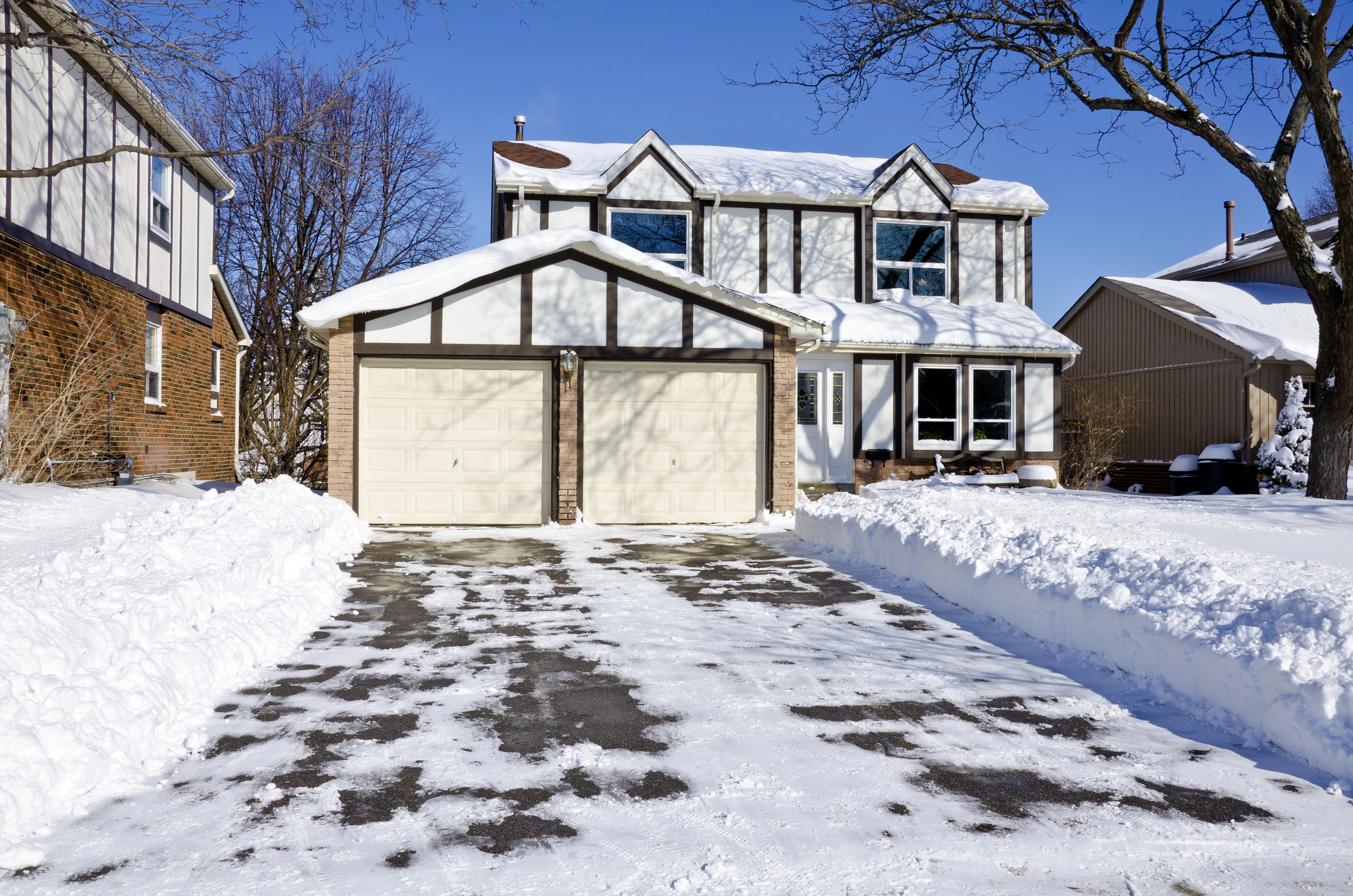
Cedar Falls Snow Removal Triggers Through Iowa Winter
Iowa winters don't follow a schedule, and Cedar Falls gets its share of unpredictable storms — light dustings one week, heavy accumulation events the next. One of the most common questions property owners ask is when crews actually show up. The answer isn't based on the calendar date or a weekly routine. Professional snow removal in Cedar Falls runs on accumulation thresholds, which means service is triggered by how much snow actually falls, not by a predetermined timetable. Understanding how those triggers work helps you set realistic expectations and plan your property's winter maintenance accordingly.
What Accumulation Thresholds Actually Mean
An accumulation threshold is simply a minimum depth of snowfall that must occur before crews mobilize and begin clearing. For most residential and commercial properties in Cedar Falls, that number typically falls somewhere between one and three inches. Below that level, the snow either melts on its own, gets handled with basic foot traffic, or simply doesn't pose enough of a safety risk to warrant full equipment deployment.
The logic behind thresholds is practical. Sending plows and crews out for every light dusting wastes resources, increases wear on equipment, and doesn't meaningfully improve safety outcomes. A half-inch of dry, powdery snow on a clear day behaves very differently from two inches of wet, dense snow hitting pavement during a rapid temperature drop. Thresholds allow providers to deploy when it actually matters.
Your specific threshold depends on the service agreement you sign before the season starts. Some contracts set a one-inch trigger, others use two inches as the minimum. Commercial lots with heavy foot traffic — like strip malls or office buildings on College Hill or along University Avenue — may use a lower threshold than a single-family driveway in a quieter neighborhood.
How Iowa Storm Patterns Shape Trigger Decisions
Cedar Falls sits in a part of Iowa that experiences a wide range of winter precipitation types. Some storms deliver consistent, measurable snowfall over several hours. Others arrive as mixed precipitation — sleet, freezing rain, and snow — that behaves very differently than pure accumulation. Iowa's temperature swings also mean that snow can fall, partially melt, and refreeze, creating ice bonding that makes late clearing much harder than timely clearing.
Because of these variables, professional crews in Cedar Falls often monitor National Weather Service forecasts for Black Hawk County well before a storm arrives. When a significant event is predicted — generally four inches or more — pre-treatment or pre-positioning may happen even before accumulation begins. For moderate events in the two-to-four-inch range, crews typically stage equipment and wait until the storm is producing enough consistent snowfall to make clearing effective and durable.
Timing also matters within a storm. Clearing too early during an active snowfall means you're back at square one within a few hours. Most providers balance the trigger threshold against the storm's pace, sometimes making a first pass at the threshold depth and returning for a cleanup pass after accumulation peaks.
Residential Versus Commercial Trigger Differences
Not all Cedar Falls properties use the same trigger criteria, and that's by design. For Snow Removal contracts, residential driveways and walkways often carry a slightly higher threshold than commercial properties because the risk profile is different. A homeowner walking out to their car on two inches of snow is manageable. A business with customers and employees moving in and out of a parking lot faces greater liability and foot traffic complexity.
Commercial properties along Main Street or in the industrial areas near the Cedar Valley corridor often negotiate tighter triggers and faster response windows to meet operational needs. Some include service-level requirements — like first pass within two hours of reaching the threshold — that reflect the pace of business activity.
Residential customers in neighborhoods like the Kenwood area or near University of Northern Iowa student housing typically receive service within a broader window, often within four to six hours of the threshold being met, depending on crew routing and storm scope.
What Happens When Storms Exceed Normal Thresholds
Iowa occasionally delivers major winter events — storms that drop six, eight, or even ten or more inches in a compressed period. In those situations, trigger thresholds are essentially irrelevant because the accumulation far exceeds the activation point. Crew deployment happens early, routes are prioritized by safety and access, and multiple passes become necessary before any property is considered fully cleared.
Heavy accumulation events also create secondary challenges. Snow piled from a first pass has to go somewhere, and on smaller residential lots in Cedar Falls, that can mean relocating snow into lawn areas or making strategic stacking decisions near curb lines. Compact, heavy Iowa snowfall — especially late-season storms in February or March — can tax equipment and extend service timelines considerably compared to lighter December storms.
During these major events, communication from your provider matters. Knowing where your property sits in the route, when the first pass is expected, and whether a cleanup pass is planned helps you manage the day without surprises.
Reading Your Contract Before Winter Arrives
The time to understand your accumulation threshold is before the first storm, not during it. Service agreements should clearly state the trigger depth, the response window after the threshold is met, and how mixed precipitation events are handled. If freezing rain deposits a quarter-inch of ice on top of an inch of snow, does that constitute a trigger? If a storm drops two inches and then temperatures rise and melt most of it, is service still dispatched? These edge cases happen regularly during Iowa winters, and your contract should address them.
If you're reviewing your current coverage or thinking about what to ask when contracting for next season, check out our snow removal overview for additional context on how Cedar Falls service structures typically work from season to season.
Setting Expectations for the Season Ahead
Snow removal in Cedar Falls isn't a reactive scramble — it's a coordinated system built around predictable thresholds and professional route management. When you understand how accumulation triggers work, you stop wondering whether your provider forgot about you during a storm and start recognizing the logic behind the timing. Iowa winters will test your property with everything from light lake-effect dustings to full-scale blizzard conditions, and having the right service structure in place — with thresholds calibrated to your actual property needs — makes all the difference between a stressful season and a manageable one.
