
Hudson Lawn Care and Snow Removal From a Team That Runs Routes Here
What Hudson Homeowners Face Each Season
Properties in Hudson sit in a landscape that blends small-town residential density with the larger lot sizes and open exposure that come with being on the southern edge of the Cedar Valley metro. That combination creates maintenance demands that differ from both the compact urban lots in Waterloo and the fully rural acreages further out in Black Hawk County. Many Hudson homes occupy lots with enough open lawn to require commercial-grade mowing equipment for efficient service, but still carry the sidewalks, driveways, and landscaped areas that need the detail work of edging, trimming, and bed maintenance. Wind exposure on lots without the tree cover and building density of the metro communities means turf dries out faster during summer dry spells and snow drifts accumulate in different patterns during winter storms. The growing season in Hudson tracks the same cool-season grass cycle as the rest of the Cedar Valley — aggressive growth from May through June, a mid-summer stress period when heat and potential drought slow things down, then a second flush of growth in September before the first frost triggers dormancy. Each phase of that cycle requires adjusted mowing frequency and height to keep the turf healthy, and properties that receive the same treatment regardless of conditions end up with stressed lawns that thin out and invite weed pressure during the most demanding months.
Lawn Maintenance for Hudson Residential Properties
Hudson winters carry the full weight of Iowa storm systems without the wind buffering that denser urban areas provide. Open exposure on residential lots means snow drifts build faster and deeper against garages, along fence lines, and across north-facing driveways where prevailing winds push accumulation well beyond the actual snowfall total. A six-inch storm can produce two-foot drifts against structures and across driveway approaches, and those drifts are denser and harder to remove than the same depth of undrifted snow because wind compaction packs the crystals tight during the storm itself. Gravel driveways are common on larger Hudson lots, and clearing those surfaces without stripping gravel material requires equipment adjustments and operator experience with the specific surface conditions that each property presents. Concrete driveways and sidewalks need de-icing treatment after clearing, particularly on properties where sun exposure is blocked by structures or tree lines and surfaces remain in shadow through the short winter days. Meltwater from roof runoff refreezes on steps and landings overnight even after a thorough clearing, and those entry points are where most residential slip-and-fall incidents actually occur. A comprehensive winter plan covers every walkable and drivable surface on the property, applies the right de-icing products for the current temperature range, and runs on accumulation triggers so the homeowner never has to monitor conditions or make a call to get service started.
Full-Service Mowing for Hudson Lawns
Mowing in Hudson accounts for the larger average lot sizes and greater wind exposure that distinguish these properties from the more sheltered residential areas closer to the metro core. Open lots dry out faster between rain events, which means turf stress during mid-summer dry spells shows up earlier and more visibly than on properties surrounded by buildings and mature tree canopies that buffer wind and shade soil. Maintaining blade height at three to three and a half inches is even more critical on exposed Hudson lots because the taller grass canopy functions as the primary defense against soil moisture loss during the periods between rainfall. Cutting too short removes that protection and accelerates the drought stress that leads to dormancy browning, thinning, and weed invasion. Weekly mowing during peak growth keeps the one-third rule intact so the grass never loses more blade length in a single cut than it can recover from without visible stress. Edging along driveways, sidewalks, and bed borders happens every visit to maintain the clean lines that separate turf from hard surfaces and landscape areas. Trimming around fences, posts, meters, and other obstacles ensures no grass goes uncut regardless of where it grows on the property. On the larger Hudson lots, efficient routing and commercial equipment keep service time reasonable while still delivering the finished appearance that justifies a weekly maintenance commitment. Clippings are mulched and distributed evenly across the cut surface.
Seasonal Transitions and Cleanup in Hudson
Seasonal cleanup on Hudson properties accounts for both the leaf volume that mature trees produce and the additional debris that wind exposure deposits on lawns throughout the year. Fall cleanup is the heavier of the two seasonal transitions because Hudson lots often collect leaf material not only from their own trees but from windblown leaves that drift in from adjacent agricultural land and neighboring properties with less frequent maintenance. That additional volume means fall cleanup on a Hudson property can require more passes and more equipment time than a comparable cleanup on a sheltered in-town lot. The goal remains the same — remove all organic material from the lawn surface before the first lasting snow so the turf can go dormant cleanly without the moisture-trapping leaf layer that causes snow mold and dead patches under winter cover. Bed areas, foundation zones, and any flat surfaces where leaves accumulate get cleared as part of the same service. Spring cleanup addresses the debris that winter deposits — branches broken by ice loading or wind events, dead grass and thatch compressed under snow cover, displaced mulch and bed edges disrupted by frost heave, and any storm debris that accumulated against structures and fences during the winter months. The timing of spring cleanup depends on when the ground firms up enough to support equipment and foot traffic without causing compaction damage to saturated soil, which varies from year to year but typically falls between late March and mid-April across the Cedar Valley.
Plowing and Ice Management for Hudson Properties
Snow removal on Hudson properties addresses the unique clearing challenges that come with larger lots, open wind exposure, and the mix of driveway surfaces common on the southern edge of the Cedar Valley. Drifting is the primary complication — prevailing winter winds push snow against structures, along fence lines, and across driveway approaches in patterns that can double or triple the effective depth that crews need to clear compared to the actual storm accumulation. Properties with longer driveways require more staging space for displaced snow and benefit from crews that know the lot well enough to push material in directions that will not create problems during subsequent storms. Gravel driveway clearing uses raised blade heights and adjusted attack angles to lift snow without scraping the gravel surface underneath, preserving the driveway while still providing a drivable and walkable result. Paved surfaces receive full-depth clearing followed by de-icing treatment matched to the current temperature conditions. Product selection matters because Iowa winter temperatures swing widely even within a single storm cycle, and applying a product rated for near-freezing conditions during a sub-zero night leaves untreated ice on the surface. Sidewalk and entrance clearing completes every visit — front steps, back entries, side doors, and the landing areas where roof runoff drip lines create persistent ice buildup between service events. The entire winter operation runs on accumulation triggers, with crews deploying automatically when snow depth hits the threshold, so the homeowner wakes up to a cleared property rather than a phone call to schedule.
Comprehensive Lawn Care And Snow Removal Services in Cedar Falls
Tailored to Your Needs
From the first mow of spring through the last snowfall of winter, we provide the full range of property maintenance services Cedar Falls homeowners need. Each service is built around the specific demands of Iowa weather, Zone 5a growing conditions, and the seasonal transitions that make the Cedar Valley unique. Browse our services below to see how we can keep your property looking its best every month of the year.
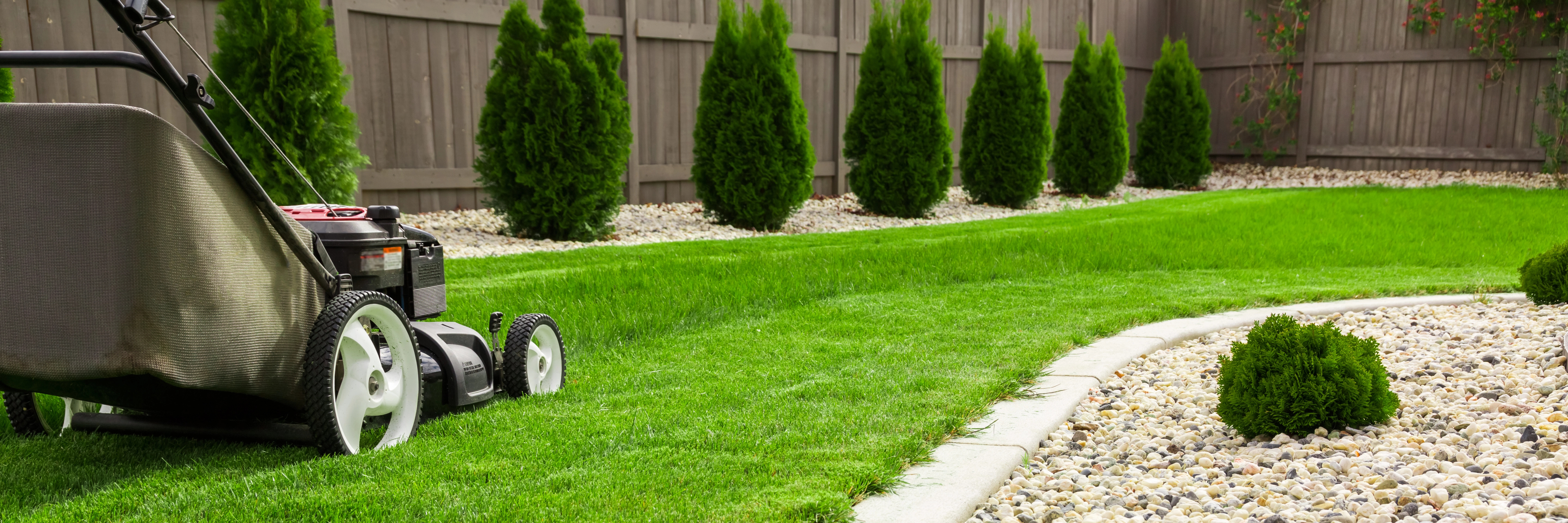
Weekly professional mowing that keeps your Cedar Falls lawn clean, sharp, and healthy all season long.
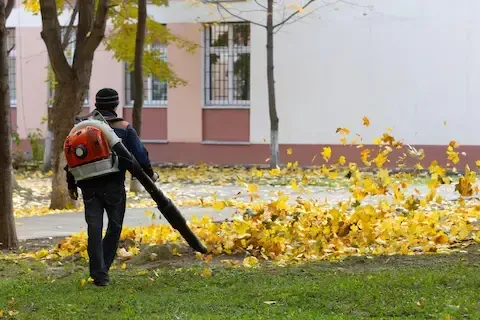
Thorough fall cleanup that clears leaves, preps your lawn, and gets your Cedar Falls property ready for winter.

Post-winter yard restoration that clears debris, preps your lawn, and gets your Cedar Falls property ready for mowing season.
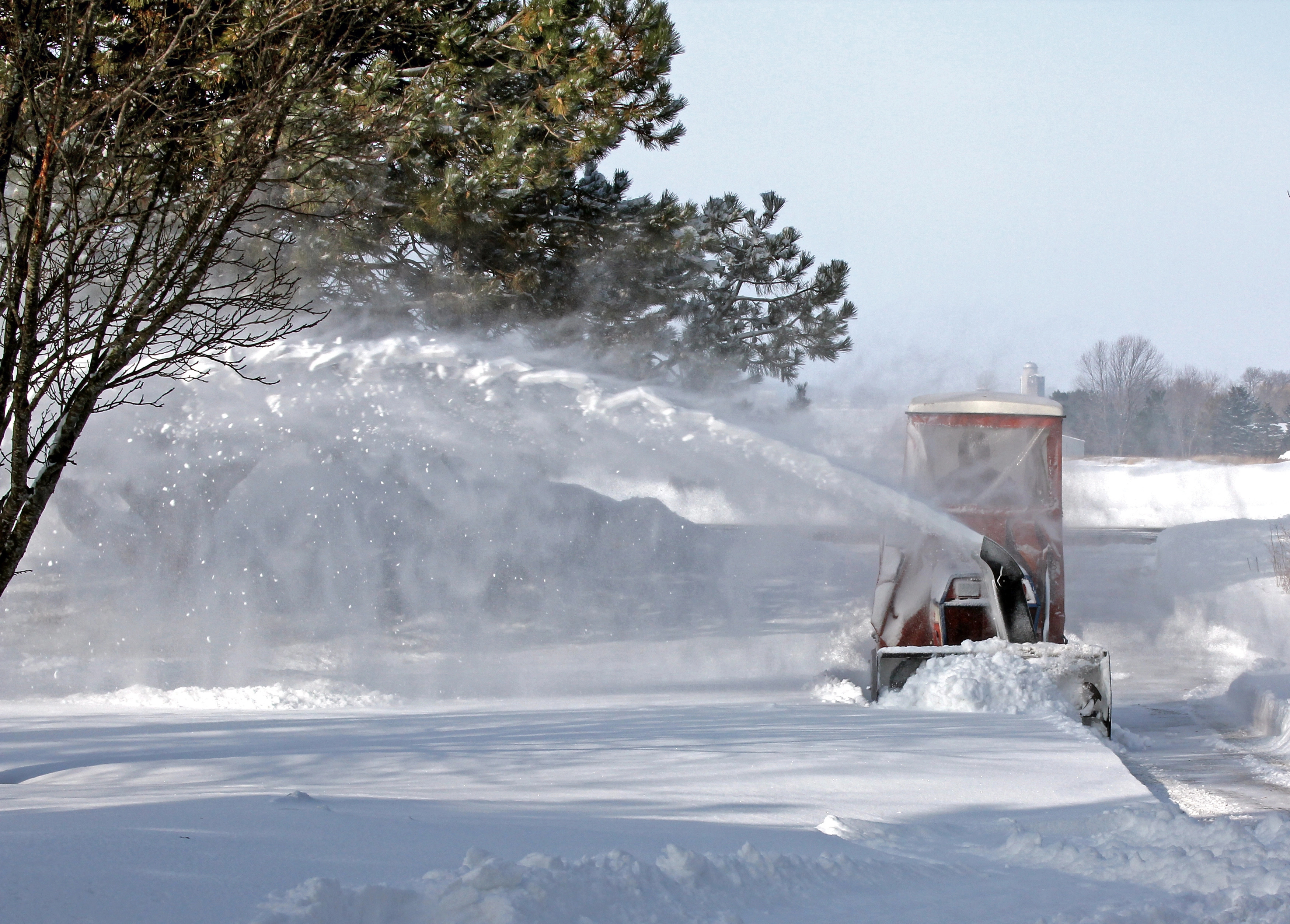
Fast, reliable snow removal that keeps your Cedar Falls driveway, walkways, and entrances clear after every storm.

Professional ice treatment that keeps your Cedar Falls walkways, driveway, and entrances safe through Iowa's freeze-thaw season.
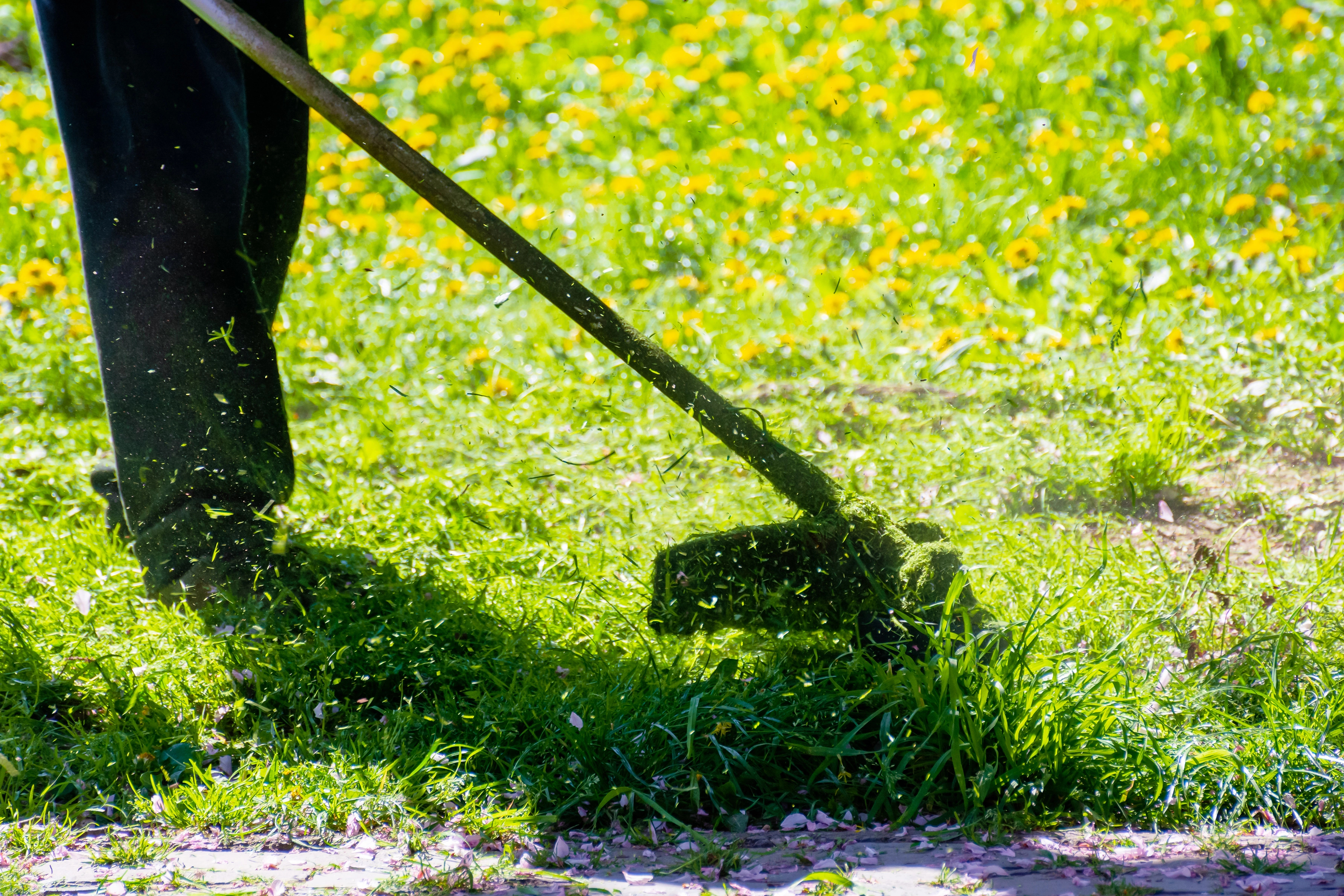
Precision edging and trimming that gives your Cedar Falls property the clean, defined lines of a professionally maintained lawn.
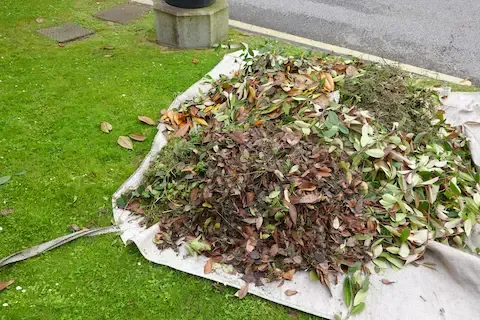
Prompt debris cleanup that keeps your Cedar Falls property clean after storms, seasonal transitions, and everyday yard accumulation.
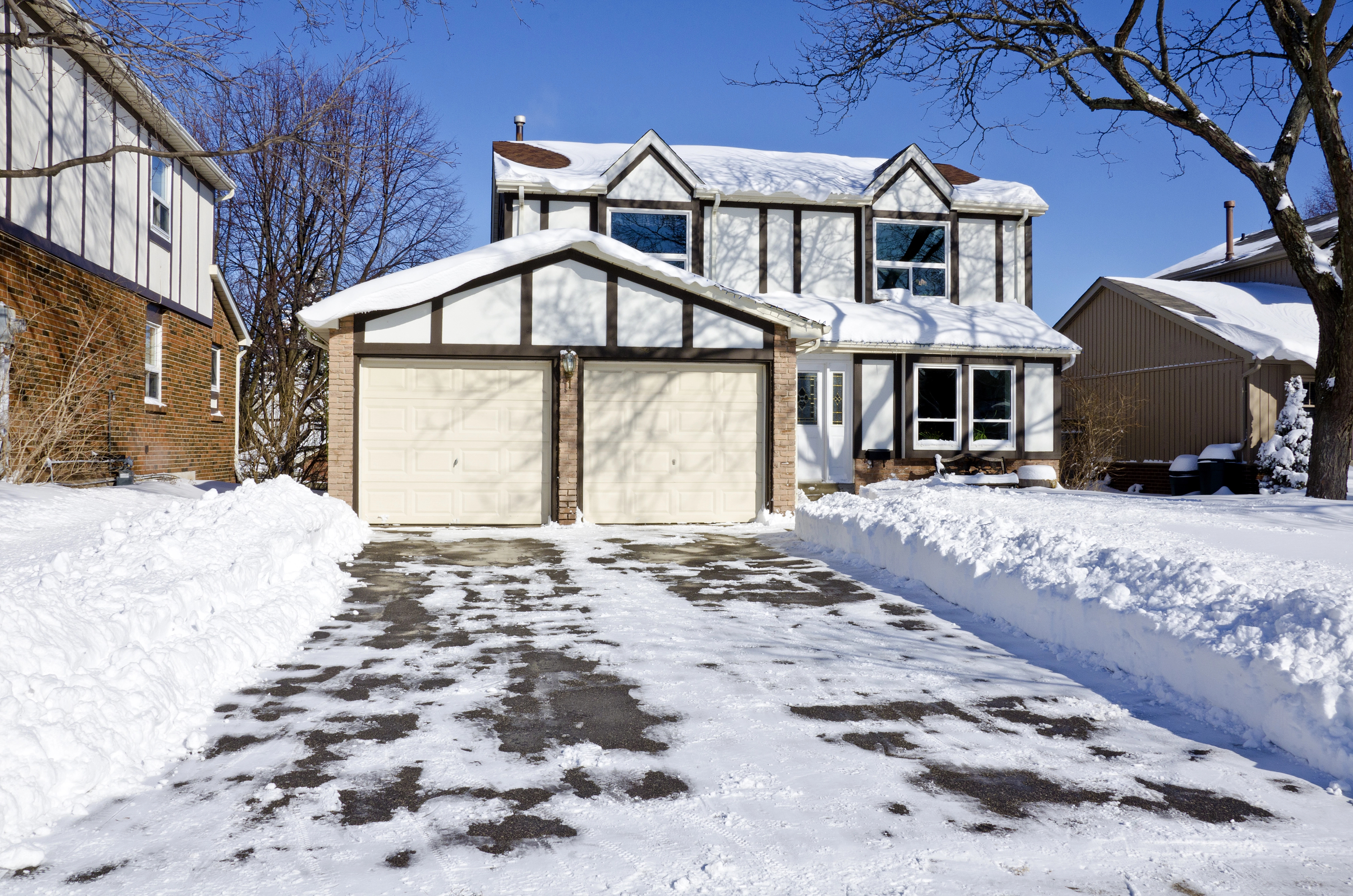
Reliable driveway snow clearing that gets your Cedar Falls property accessible before the morning commute after every winter storm.
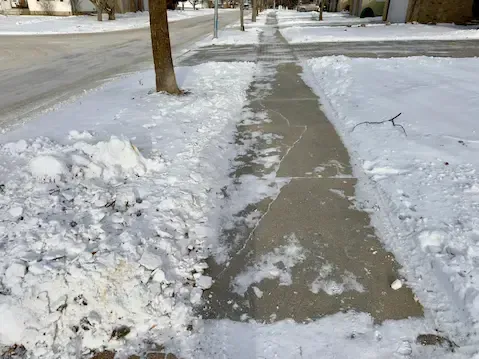
Sidewalk clearing that keeps your Cedar Falls property safe, accessible, and compliant with city snow removal ordinances.
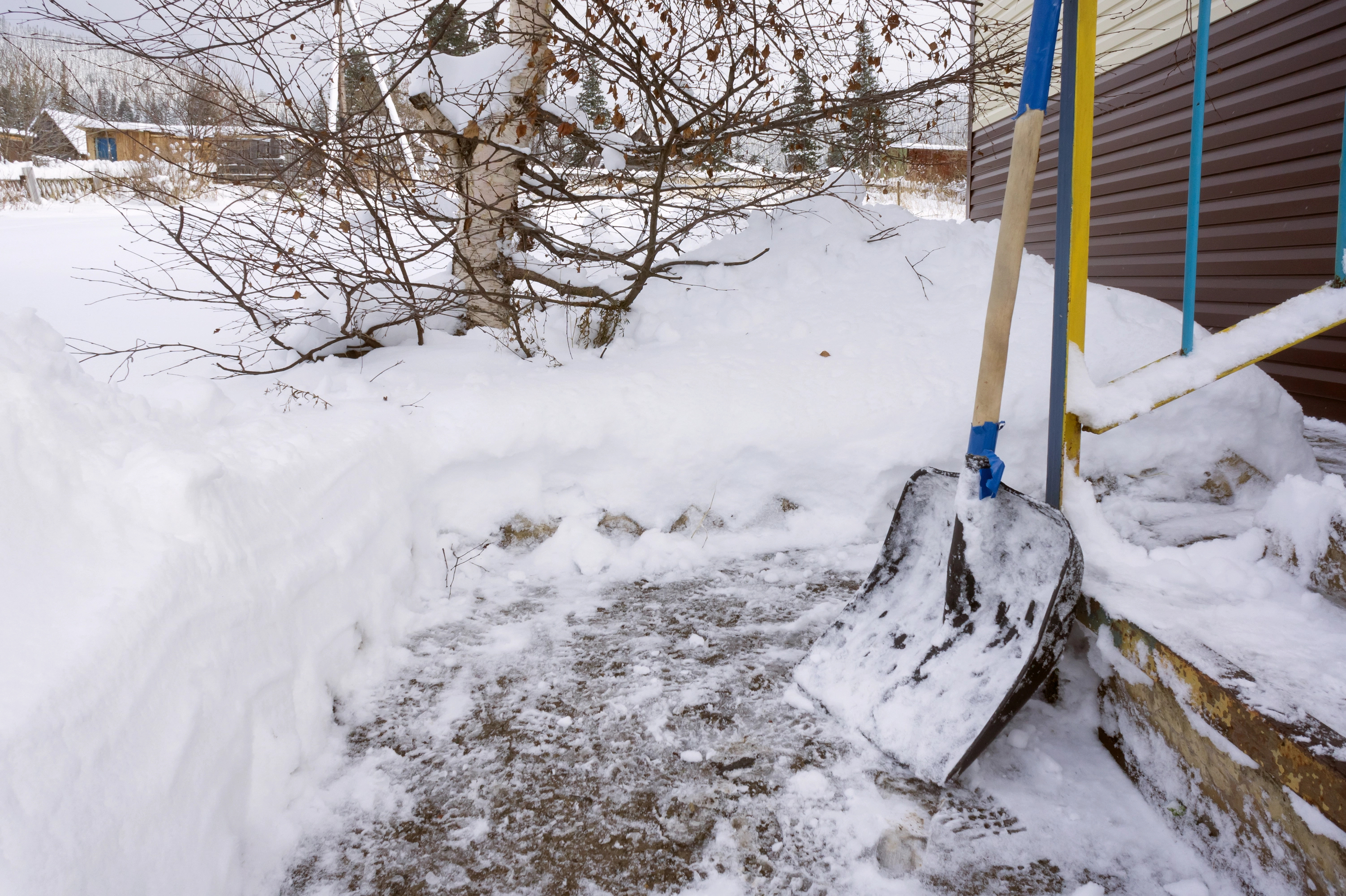
Detailed entrance clearing that keeps every door, step, and porch on your Cedar Falls home safe and accessible after winter storms.
Frequently Asked Questions
Lawn Care And Snow Removal can be complex, and we’re here to provide answers to common questions. Here are some frequently asked questions from our clients.
Frequently Asked Questions about Lawn Care And Snow Removal Cedar Falls Iowa
How much does lawn care cost in Cedar Falls?
Pricing depends on your lot size, the services you need, and how often you want us there. Most Cedar Falls residential properties fall into a predictable range based on square footage and service frequency. We provide free estimates based on your specific property so you know exactly what to expect before any work begins.
When does snow removal season start in Cedar Falls?
Snow removal season in Cedar Falls typically runs from November through March, though early and late storms are not unusual in Black Hawk County. We recommend getting your snow removal plan locked in by mid-October so your property is covered before the first storm hits. Our crews respond based on accumulation triggers, not a fixed calendar date.
Do you offer year-round property maintenance packages?
Yes. Our most popular option combines lawn mowing and seasonal cleanups during the growing season with snow removal and de-icing during the winter months. Having one team handle your property year-round means consistent service, no gaps between seasons, and simplified billing for the entire year.
What areas do you serve besides Cedar Falls?
We serve the broader Cedar Valley including Waterloo, Waverly, Independence, Evansdale, and Hudson. Our crews run routes across Black Hawk, Bremer, and Buchanan counties. If your property is within reasonable driving distance of Cedar Falls, contact us and we will let you know if we can add you to our schedule.
How quickly do you respond after a snowstorm?
Our goal is to have residential properties cleared before the morning commute. For storms that start overnight, we begin running routes as soon as accumulation reaches our trigger threshold. For daytime storms, we monitor conditions and deploy as soon as the snow stops or reaches levels that need mid-storm clearing. Response time depends on storm severity and route sequencing.
What type of grass grows best in Cedar Falls?
Cedar Falls sits in USDA Zone 5a, which is ideal for cool-season grasses. Kentucky Bluegrass is the most common choice for residential lawns because it produces a dense, attractive turf that recovers well from foot traffic. Tall Fescue is another strong option that handles heat stress and drought better than Bluegrass. We mow and maintain both varieties at the heights and frequencies they need to stay healthy through Iowa summers.
Need Lawn Care And Snow Removal?
What Our Satisfied Clients Have to Say About Cedar Falls Lawn and Snow
We pride ourselves on delivering great results and experiences for each client. Hear directly from home and business owners who’ve trusted us with their Lawn Care And Snow Removal needs.

They handle our lawn all summer and clear our driveway all winter. Having one team for everything makes life so much easier. Our yard has never looked better and we never worry about snow piling up on the walkways.
Cedar Falls Homeowner
Reliable and consistent every single week. They show up on schedule, the mowing lines look sharp, and when winter hits they are out clearing our sidewalks before we even wake up. Best service in the Cedar Valley.
Waterloo Resident
We switched to them for fall cleanup last year and added snow removal for the winter. The crew did an incredible job getting every leaf out of the beds and keeping our walkways clear through January. Could not recommend them more.
Cedar Falls Property Owner
The Trusted Lawn Care And Snow Removal Expert Near You
Ready to hear more about expert services at Cedar Falls Lawn and Snow?
Contact us today to receive a detailed, no-obligation quote.
Cedar Falls & the surrounding cities
Mon-Fri, 8am-5pm

