
Waverly Homes Deserve Lawn and Snow Service That Understands Bremer County
What Waverly Properties Deal With Season to Season
Residential lots in Waverly carry a specific set of maintenance demands driven by the combination of Bremer County soil conditions and the Cedar River corridor running through the center of town. Properties near the river or in lower-lying areas retain more soil moisture well into the growing season, which pushes turf growth rates higher and increases the window where fungal pressure can take hold if mowing intervals stretch too far apart. Established neighborhoods throughout Waverly feature mature tree canopies that create heavy shade patterns on portions of the lawn, requiring adjusted expectations for turf density under those canopies and more aggressive leaf management once autumn sets in. The growing season here is compressed compared to areas even a hundred miles south — late spring frosts can damage early growth, and the first hard freeze often arrives before all the leaves are down, creating a narrow cleanup window that demands efficient scheduling. Properties that miss that window carry decomposing leaf material under snow cover all winter, and the turf damage that results shows up as dead patches and thinned areas the following spring. A maintenance plan that tracks actual growing conditions and local weather patterns rather than operating on a fixed schedule catches those transitions before they become problems.
Keeping Waverly Lawns Healthy From Spring Through Fall
Waverly winters bring their own set of challenges that go beyond simple snow accumulation. The Cedar River corridor creates conditions where fog and freezing mist events layer thin ice onto driveways and walkways even without a traditional snowfall event, producing some of the most deceptive hazardous conditions of the entire season. Properties on sloped lots or with north-facing driveways hold ice longer because sun exposure is limited during the short daylight hours of December and January. When actual accumulation events hit, Waverly receives the same storm systems that track through the Cedar Valley, often producing wet heavy snow that packs down quickly and bonds to concrete surfaces if not cleared promptly. Back-to-back storms without adequate clearing between them create compacted base layers that standard plowing equipment struggles to remove cleanly. Sidewalk obligations exist here just as they do throughout the metro area, and properties that fall behind on clearing create hazards for pedestrians and exposure for the homeowner. De-icing treatment after every clearing event is not an upgrade — it is the difference between a cleared surface and a genuinely safe surface. Meltwater from roof runoff refreezes overnight on steps and landings, and without chemical treatment those areas become the most dangerous zones on the entire property between service visits. Proper de-icing product selection based on current temperatures ensures the treatment actually works rather than sitting inactive on the surface.
Weekly Mowing Built for Waverly Growing Conditions
Lawn mowing in Waverly follows the rhythm of cool-season grass growth, which peaks when daytime temperatures sit between sixty and seventy-five degrees and slows when summer heat pushes above eighty-five. That pattern means weekly service is essential from May through September, with frequency adjustments during heat waves when growth rate drops and during wet stretches when it accelerates beyond normal pace. Blade height stays at three inches or above to promote the deep root development that carries turf through the dry spells that hit Bremer County most summers by late July. Mowing too short during those stress periods scalps the crown of the plant and exposes soil to direct sunlight, which accelerates moisture loss and gives crabgrass and other opportunistic weeds a gap to exploit. Every mowing visit includes edging along all hard surfaces — sidewalks, driveways, curbing, and bed borders — because lateral grass growth in the Cedar Valley is aggressive enough to creep onto paved areas within a single growth cycle if left unchecked. String trimming around fence lines, mailbox posts, utility boxes, and landscape features finishes each visit so the entire property reads as consistently maintained from every angle. Clippings are mulched in place at proper mowing frequency, returning nutrients to the soil without visible accumulation on the surface.
Fall and Spring Cleanup for Waverly Properties
Waverly properties with mature hardwood trees face one of the heaviest leaf loads in the Cedar Valley each fall. Oaks, maples, and elms drop material over a six to eight week window that typically begins in early October and stretches into mid-November depending on when the first sustained cold snap arrives. Leaf material that accumulates on turf blocks sunlight and traps moisture against the grass surface, creating the exact conditions that promote snow mold development once winter precipitation begins. A thorough fall cleanup removes all organic material from the lawn surface, clears leaves from bed areas and foundation plantings, and opens the turf canopy so the grass can harden off properly before going dormant. Timing matters — cleanup done too early misses the bulk of leaf drop, while cleanup done too late risks working on frozen ground or under early snow cover. Spring cleanup reverses the process by clearing any remaining winter debris, raking out dead grass and matted thatch from areas where snow sat longest, re-cutting bed edges that frost heave shifted, and giving the lawn a clean foundation for the first mowing cycle. Both seasonal transitions require focused attention within narrow weather windows, and properties that receive timely service on both ends consistently produce healthier turf throughout the active growing season than those that skip or delay either cleanup.
Storm-Triggered Snow Removal Across Waverly
Snow removal for Waverly properties runs on the same accumulation-trigger system that drives our entire winter operation. When snowfall hits the two-inch threshold, crews deploy on established routes that cover the same properties in the same sequence every storm. That route familiarity means the driver already knows which driveways have grade changes, where the sidewalk edges sit under snow cover, and which surfaces need adjusted blade height for gravel versus concrete. The goal for overnight storms is clear surfaces before the morning commute — not a mid-morning arrival after the homeowner has already struggled through departure on uncleared pavement. Wet heavy snow, which is common in the Cedar Valley when storm temperatures hover near freezing, bonds to concrete quickly and becomes dramatically harder to remove once vehicle tires compact it into the surface. Prompt response prevents that compaction cycle. Every cleared surface receives de-icing treatment calibrated to current temperature conditions, because the products that work effectively at twenty-eight degrees are not the same formulations needed when temperatures drop below fifteen. Entrance clearing addresses front steps, back entries, and landing areas where roof runoff drip lines create persistent ice buildup between storms. Sidewalk service ensures the homeowner meets municipal clearing obligations without having to monitor conditions and shovel after every event.
Comprehensive Lawn Care And Snow Removal Services in Cedar Falls
Tailored to Your Needs
From the first mow of spring through the last snowfall of winter, we provide the full range of property maintenance services Cedar Falls homeowners need. Each service is built around the specific demands of Iowa weather, Zone 5a growing conditions, and the seasonal transitions that make the Cedar Valley unique. Browse our services below to see how we can keep your property looking its best every month of the year.
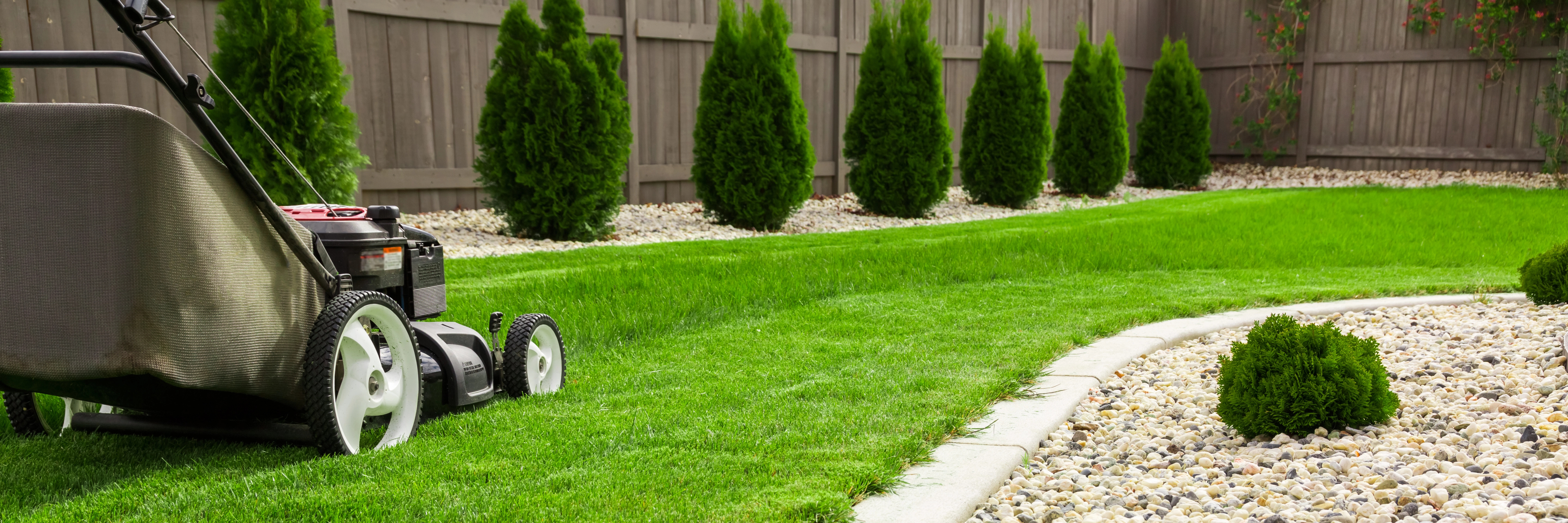
Weekly professional mowing that keeps your Cedar Falls lawn clean, sharp, and healthy all season long.
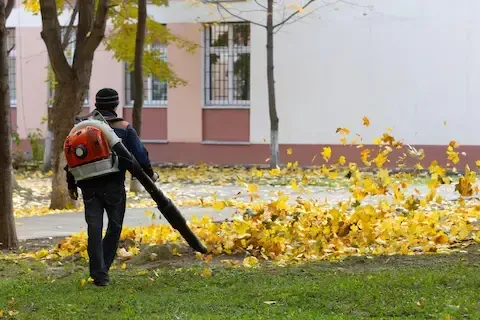
Thorough fall cleanup that clears leaves, preps your lawn, and gets your Cedar Falls property ready for winter.

Post-winter yard restoration that clears debris, preps your lawn, and gets your Cedar Falls property ready for mowing season.
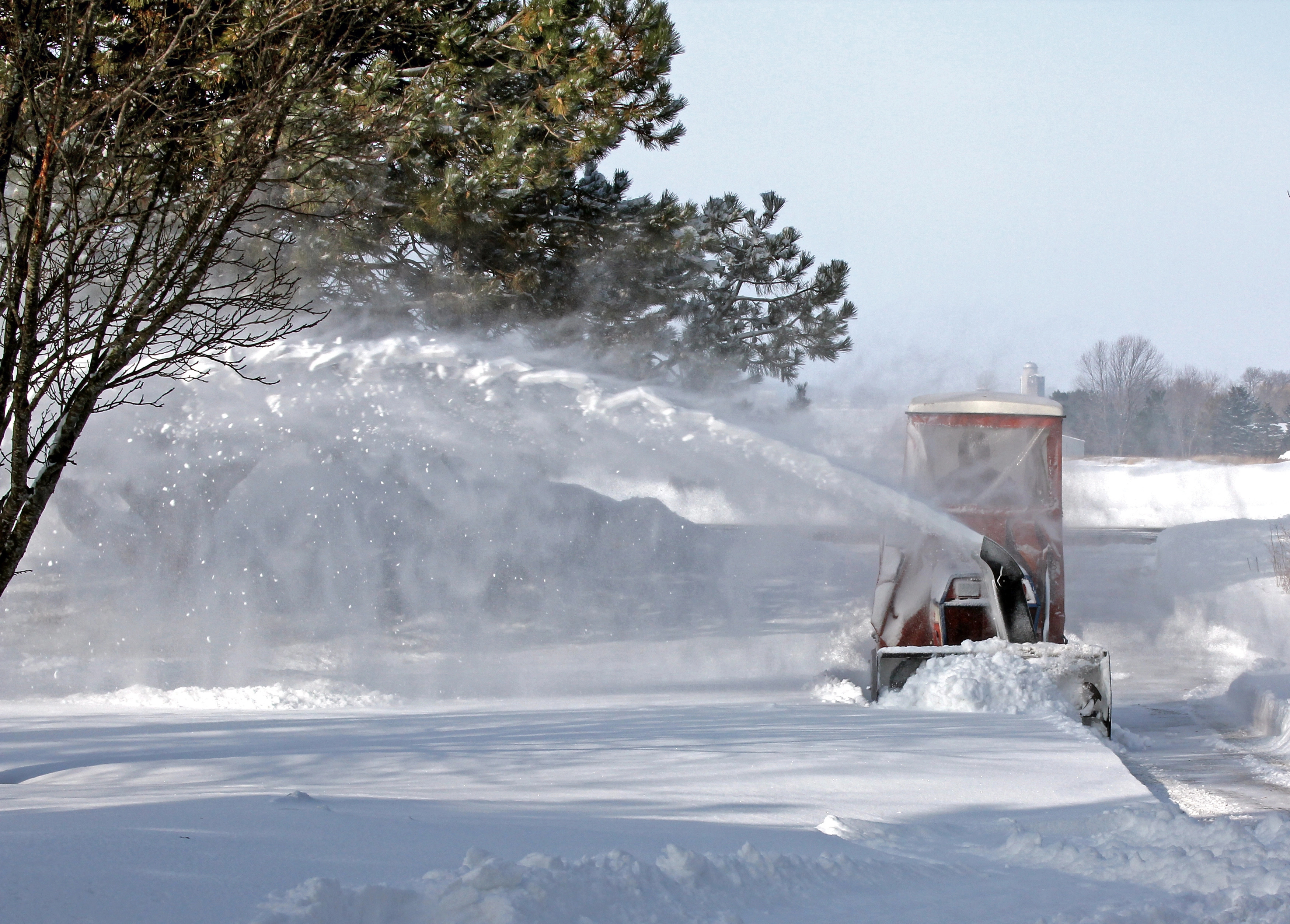
Fast, reliable snow removal that keeps your Cedar Falls driveway, walkways, and entrances clear after every storm.

Professional ice treatment that keeps your Cedar Falls walkways, driveway, and entrances safe through Iowa's freeze-thaw season.
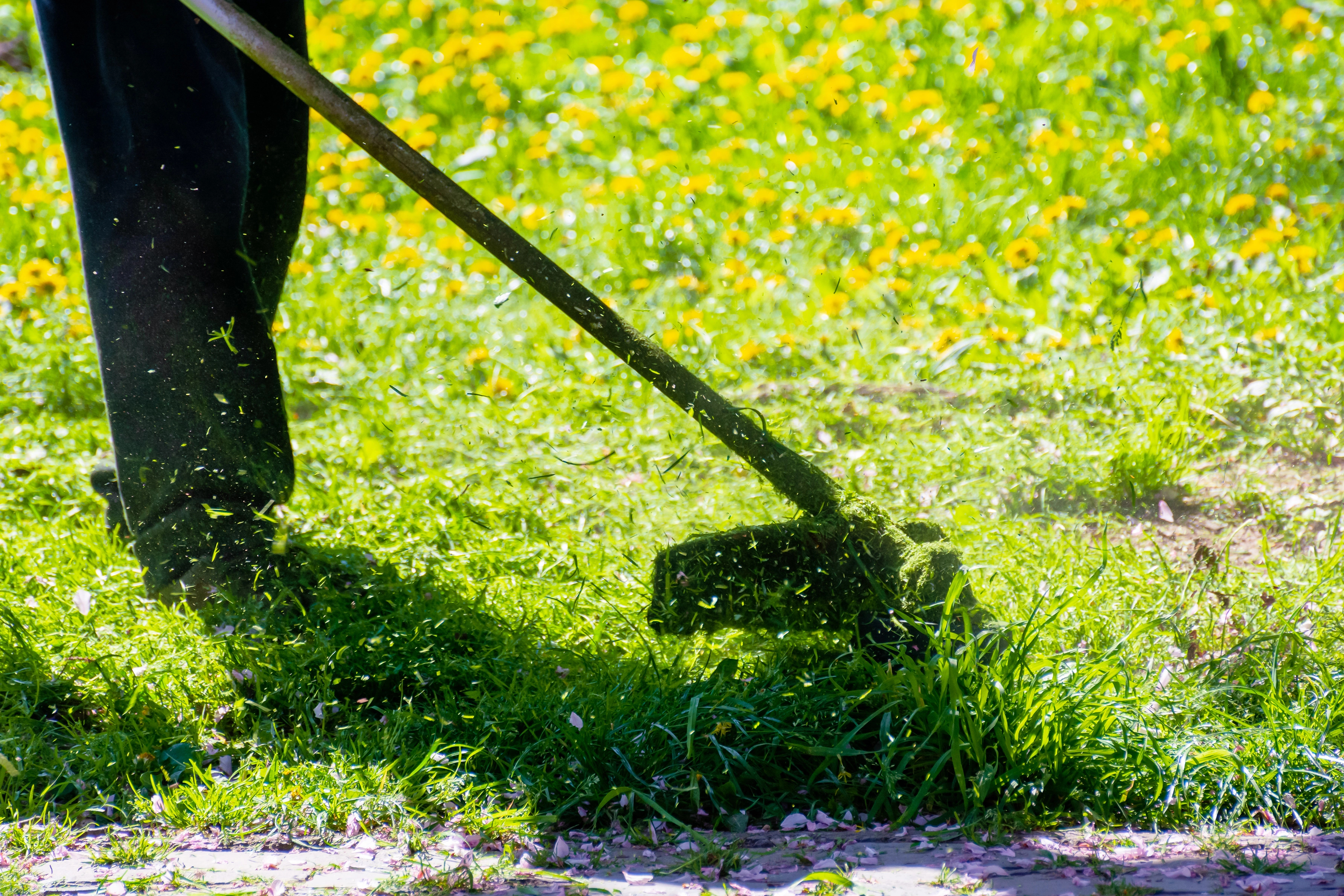
Precision edging and trimming that gives your Cedar Falls property the clean, defined lines of a professionally maintained lawn.
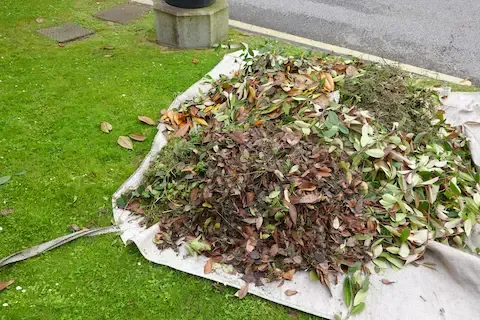
Prompt debris cleanup that keeps your Cedar Falls property clean after storms, seasonal transitions, and everyday yard accumulation.
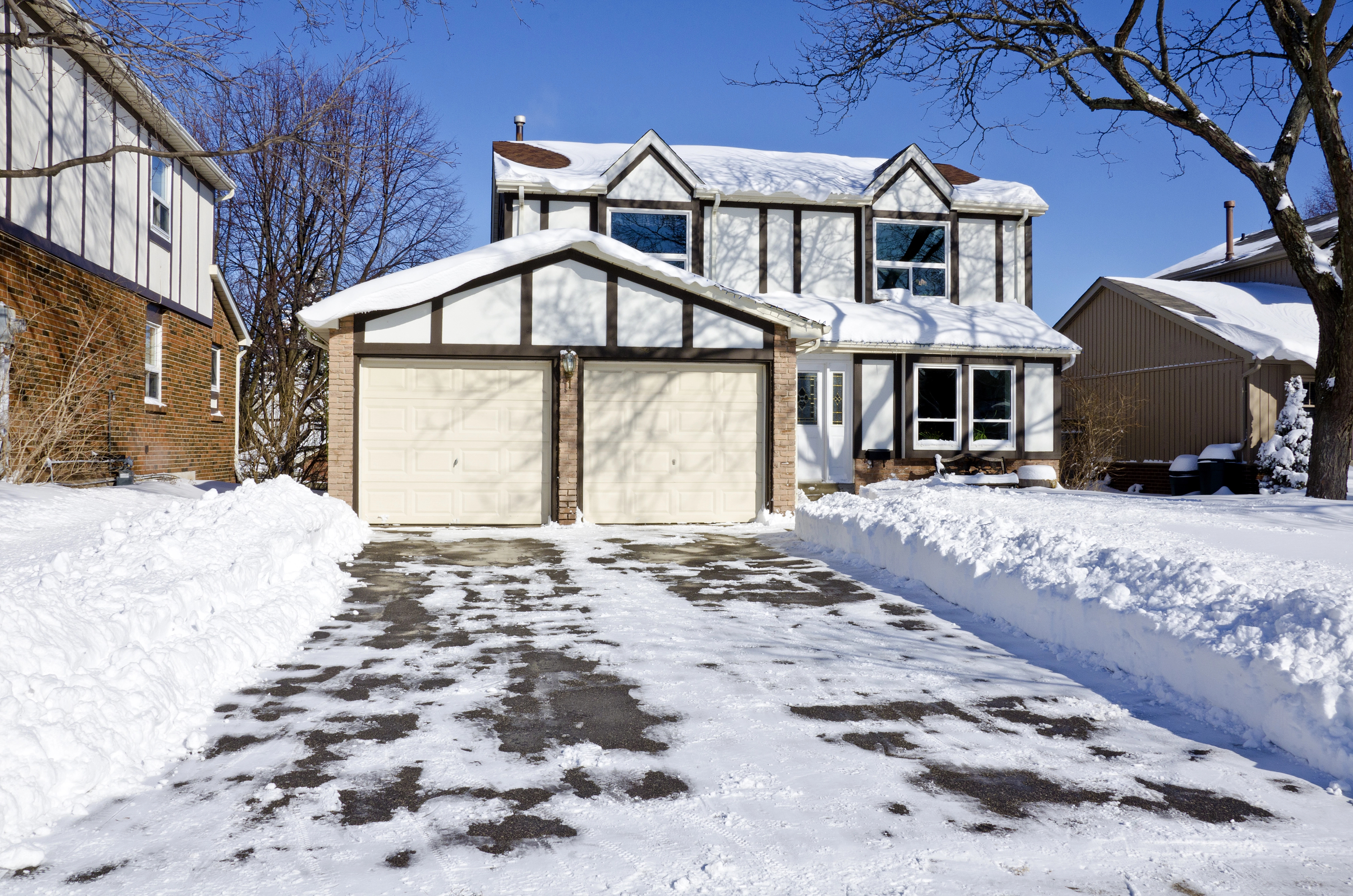
Reliable driveway snow clearing that gets your Cedar Falls property accessible before the morning commute after every winter storm.
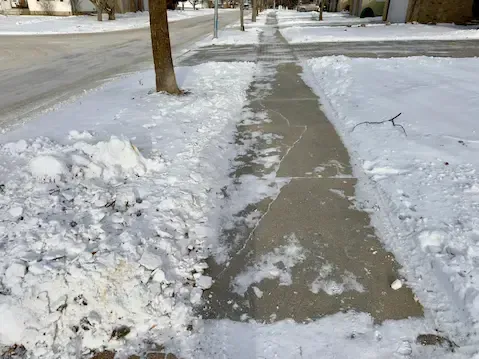
Sidewalk clearing that keeps your Cedar Falls property safe, accessible, and compliant with city snow removal ordinances.
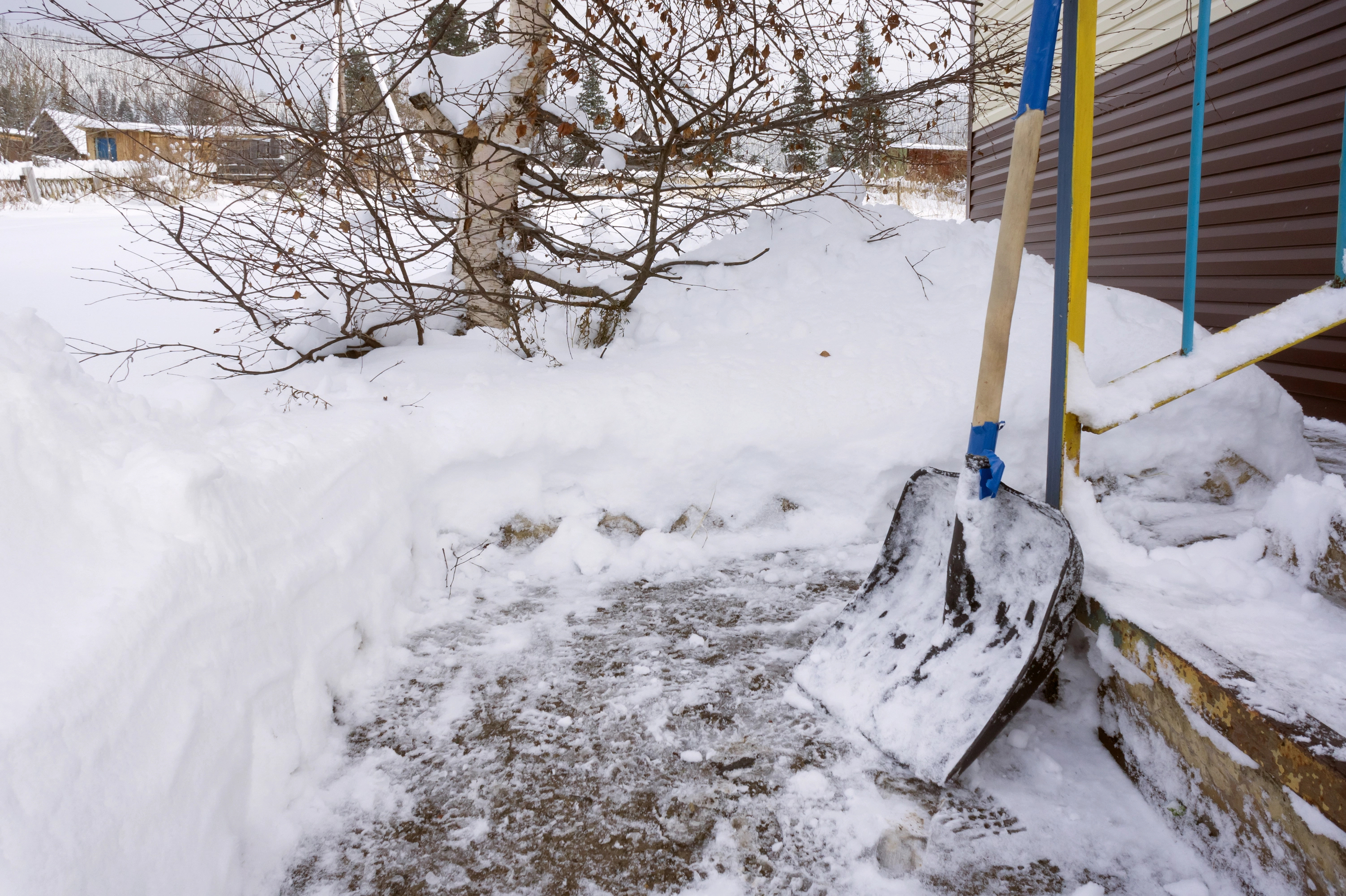
Detailed entrance clearing that keeps every door, step, and porch on your Cedar Falls home safe and accessible after winter storms.
Frequently Asked Questions
Lawn Care And Snow Removal can be complex, and we’re here to provide answers to common questions. Here are some frequently asked questions from our clients.
Frequently Asked Questions about Lawn Care And Snow Removal Cedar Falls Iowa
How much does lawn care cost in Cedar Falls?
Pricing depends on your lot size, the services you need, and how often you want us there. Most Cedar Falls residential properties fall into a predictable range based on square footage and service frequency. We provide free estimates based on your specific property so you know exactly what to expect before any work begins.
When does snow removal season start in Cedar Falls?
Snow removal season in Cedar Falls typically runs from November through March, though early and late storms are not unusual in Black Hawk County. We recommend getting your snow removal plan locked in by mid-October so your property is covered before the first storm hits. Our crews respond based on accumulation triggers, not a fixed calendar date.
Do you offer year-round property maintenance packages?
Yes. Our most popular option combines lawn mowing and seasonal cleanups during the growing season with snow removal and de-icing during the winter months. Having one team handle your property year-round means consistent service, no gaps between seasons, and simplified billing for the entire year.
What areas do you serve besides Cedar Falls?
We serve the broader Cedar Valley including Waterloo, Waverly, Independence, Evansdale, and Hudson. Our crews run routes across Black Hawk, Bremer, and Buchanan counties. If your property is within reasonable driving distance of Cedar Falls, contact us and we will let you know if we can add you to our schedule.
How quickly do you respond after a snowstorm?
Our goal is to have residential properties cleared before the morning commute. For storms that start overnight, we begin running routes as soon as accumulation reaches our trigger threshold. For daytime storms, we monitor conditions and deploy as soon as the snow stops or reaches levels that need mid-storm clearing. Response time depends on storm severity and route sequencing.
What type of grass grows best in Cedar Falls?
Cedar Falls sits in USDA Zone 5a, which is ideal for cool-season grasses. Kentucky Bluegrass is the most common choice for residential lawns because it produces a dense, attractive turf that recovers well from foot traffic. Tall Fescue is another strong option that handles heat stress and drought better than Bluegrass. We mow and maintain both varieties at the heights and frequencies they need to stay healthy through Iowa summers.
Need Lawn Care And Snow Removal?
What Our Satisfied Clients Have to Say About Cedar Falls Lawn and Snow
We pride ourselves on delivering great results and experiences for each client. Hear directly from home and business owners who’ve trusted us with their Lawn Care And Snow Removal needs.

They handle our lawn all summer and clear our driveway all winter. Having one team for everything makes life so much easier. Our yard has never looked better and we never worry about snow piling up on the walkways.
Cedar Falls Homeowner
Reliable and consistent every single week. They show up on schedule, the mowing lines look sharp, and when winter hits they are out clearing our sidewalks before we even wake up. Best service in the Cedar Valley.
Waterloo Resident
We switched to them for fall cleanup last year and added snow removal for the winter. The crew did an incredible job getting every leaf out of the beds and keeping our walkways clear through January. Could not recommend them more.
Cedar Falls Property Owner
The Trusted Lawn Care And Snow Removal Expert Near You
Ready to hear more about expert services at Cedar Falls Lawn and Snow?
Contact us today to receive a detailed, no-obligation quote.
Cedar Falls & the surrounding cities
Mon-Fri, 8am-5pm

